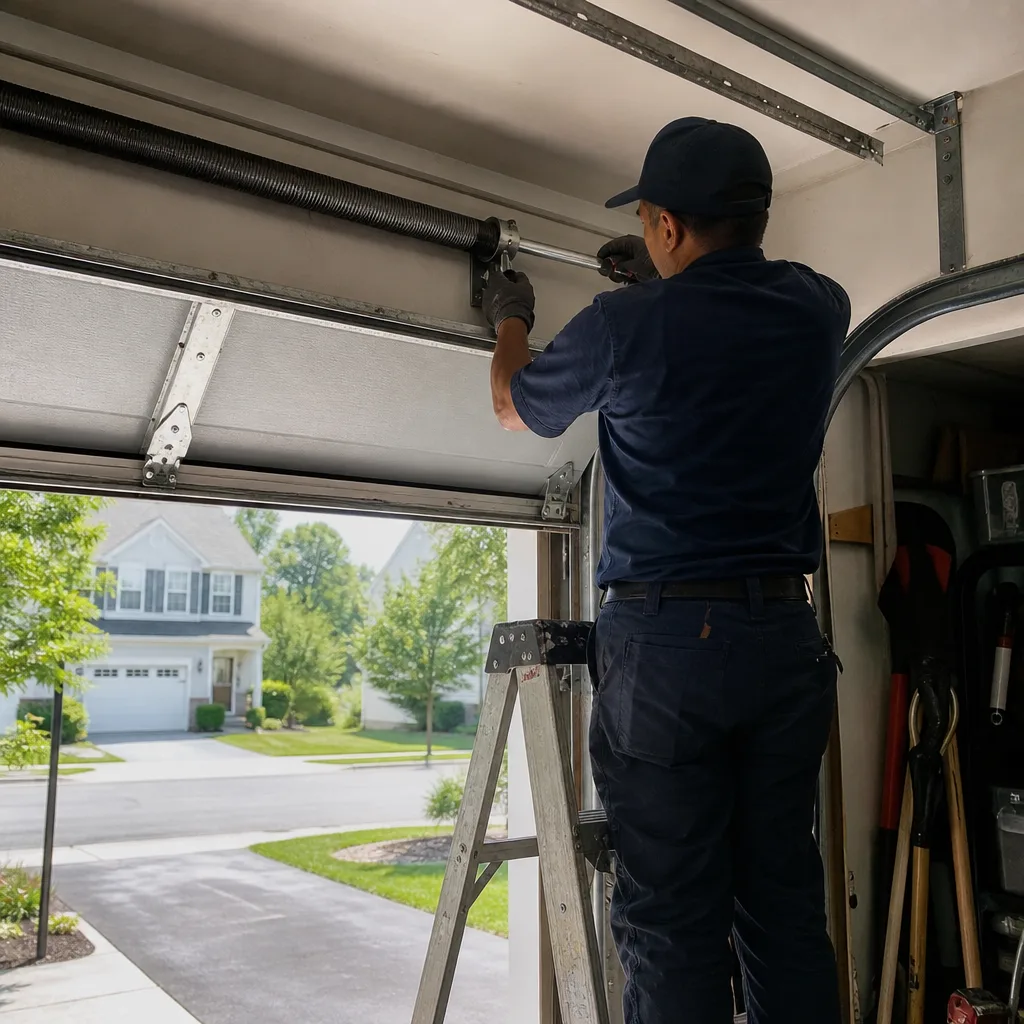
Last updated November 23, 2026
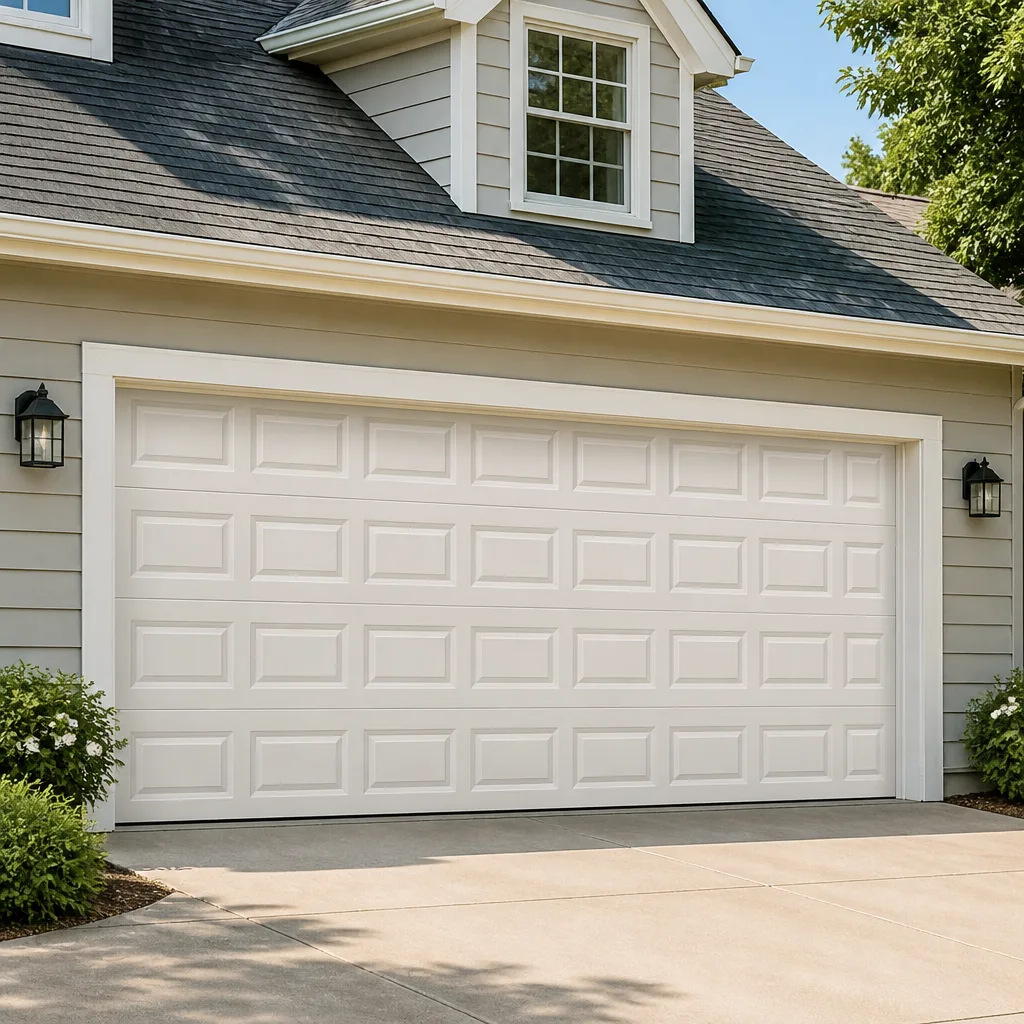 Raised-panel steel
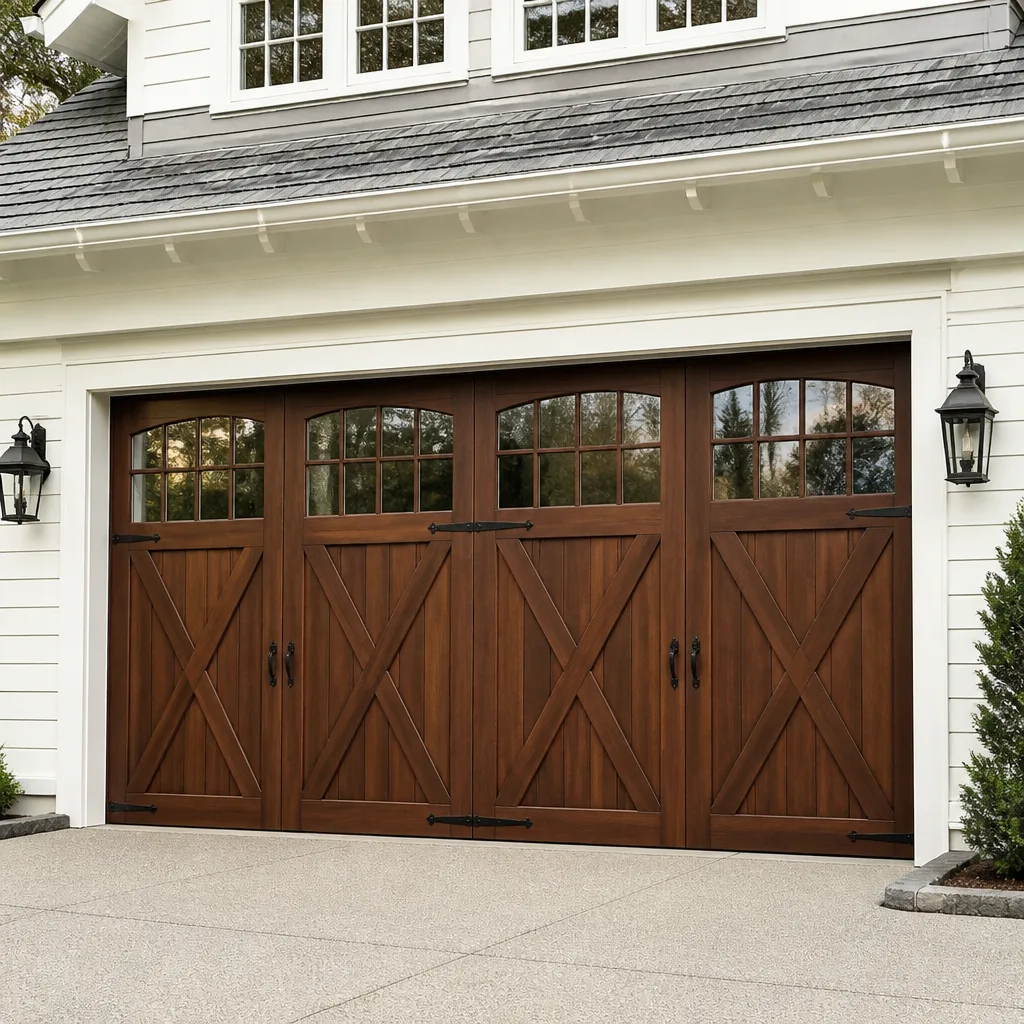 Carriage house
 Modern flush
 Full-view glass
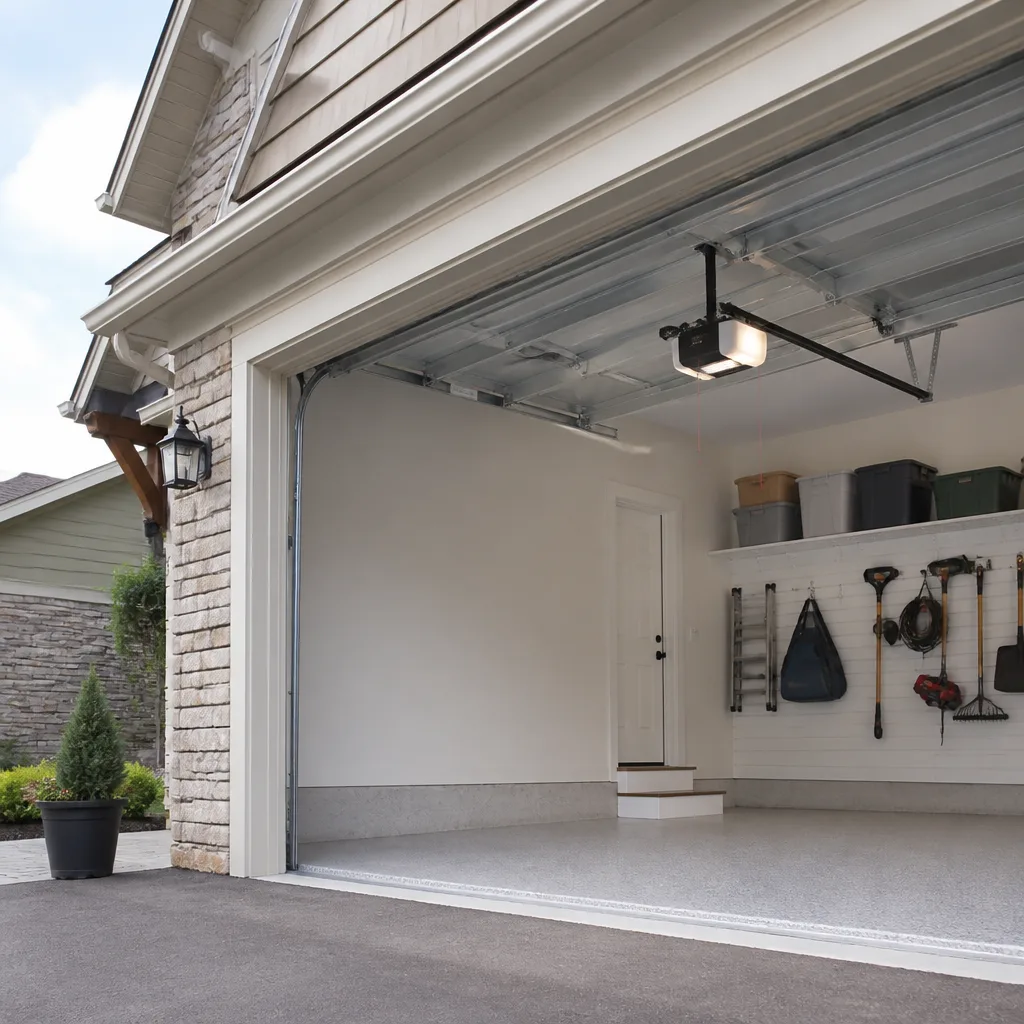 LiftMaster openers
 Chamberlain openers
Full 25-point door and opener safety check with every visit - springs, cables, rollers, tracks, and your LiftMaster or Chamberlain opener included
You get a price before we start. It does not change when the pro arrives.
Get your free estimateGarage Door Warning Signs: A Reston Homeowner’s Reference Guide
The most common misconception we run into is that a garage door simply wears out one day and stops. In our experience, it almost never works that way. A failing door tells you it’s failing for weeks before it quits – through a grind, a hesitation, a tilt, a squeal. The problem is that the signals are component-specific, so homeowners misread them, dismiss them, or ignore them until something breaks under load. This guide maps what you’re seeing and hearing to the exact part that’s producing it, and tells you how much runway each warning sign actually gives you. If you live in Reston, where doors cycle hard through hot summers and cold snaps, knowing the signs early saves money and, in some cases, keeps you safe.
Quick Answer
A garage door warning sign is any change in sound, movement, alignment, or opener behavior that appears before a failure. The most urgent are a snapped torsion spring (door too heavy to lift by hand), a frayed or slack cable, and an opener that reverses without obstruction – these mean stop using the door and call a technician. Slower, less urgent signs include squealing rollers, a grinding track, and an opener running sluggishly in cold weather, which are usually safe to run briefly while you schedule a repair.
Styles & brands we work with
- Raised-panel steel
- Carriage house
- Modern flush
- Full-view glass
- LiftMaster openers
- Chamberlain openers
Table of Contents
- The Sound-to-Cause Diagnostic: What Each Noise Tells You
- Visual Warning Signs by Component
- Opener Behavior Flags
- Safe to Use vs. Lock It and Stop
- How Long Each Warning Sign Gives You
- Why Reston’s Climate and Housing Make Some Signs Appear Sooner
- A Seasonal Checklist for Reston Homeowners
- Common Mistakes to Avoid
The Sound-to-Cause Diagnostic: What Each Noise Tells You
Sound is the fastest diagnostic tool a homeowner has, because each component produces a distinct noise when it’s stressed. The trick is separating a noise that’s cosmetic from one that signals a part about to fail. Here’s how we break them down.
Grinding. A low, continuous grinding sound usually points to the track or the rollers rather than the springs. When a roller’s bearing seizes, the roller stops rolling and starts scraping along the track. Grinding can also come from a track that’s been bent out of alignment and is dragging the door against its own path. Because grinding often includes metal-on-metal contact, it tends to escalate faster than a squeal.
Squealing. A high-pitched squeal is usually the roller bearings or a dry hinge. Squealing is generally the least urgent of the four – it’s often a lubrication issue – but if the squeal only appears at the start or end of travel, it can mean the door is straining against the opener at a limit point, so it’s worth checking rather than just greasing.
Popping. A sharp pop, especially one you hear once and then again a few cycles later, is a strong signal from the torsion spring or the cable. A spring under tension can pop as it winds unevenly; a cable can pop against a drum. Popping is a stop-and-call sound. Do not stand under the door to investigate it.
Rattling. A loose rattle is usually a hardware issue – a loose hinge, a loose bolt on a bracket, or a track that’s vibrating. Rattling alone rarely precedes a sudden failure, but rattling combined with a door that no longer sits flush is worth a professional look.
If you can pinpoint the sound, you’ve already narrowed the repair to a component. For a broken torsion spring in particular – the most safety-sensitive of these – that’s a job we handle directly through our garage door spring repair service.
Visual Warning Signs by Component
What you can see matters as much as what you can hear, and different components fail in visually different ways. Here’s how to tell a stressed cable from a worn roller from a bent track.
A stressed or failing cable
A healthy cable is taut, clean, and evenly wound on its drum. A stressed cable shows frays – individual wire strands separating from the braid, often with a fuzziness along one side. A cable that’s slack or sitting off its drum is a serious sign; a slack cable means it’s no longer holding tension, and the door may be relying on the spring alone. If you see fraying, slack, or a cable that has jumped its drum, stop using the door and call a technician.
A worn roller
Rollers wear in two ways. A steel roller develops flat spots, and you’ll feel a bump each time the door passes that spot. A nylon roller cracks or chips at the edge, and you may see bits of nylon on the track. Worn rollers are usually the least urgent item on this list – they cause noise and uneven motion, and they accelerate wear on the track, but they rarely fail suddenly. Replacing them early protects the rest of the hardware.
A bent track
Tracks can bend from impact – a car bumper, a bicycle, a misjudged load – or from a door that’s been running out of alignment. A bent vertical track section shows as a clear kink in the metal; a bent horizontal track often shows as the door binding at a specific point. A bent track is a stop-and-call sign because it forces the rollers into a jam and can pull the door off its track entirely.
| Visual sign | Component | Urgency |
|---|---|---|
| Frayed or slack cable | Cable | Stop, call now |
| Flat spots or cracked nylon | Roller | Schedule repair |
| Visible kink in track | Track | Stop, call now |
| Uneven gap at floor when closed | Track or spring balance | Schedule soon |
| Sagging panel or separated hinge | Panel or hardware | Inspect before next cycle |
Opener Behavior Flags
An opener is a controlled machine, so when it behaves outside its normal pattern, the behavior itself is the diagnostic. The three flags we see most in Reston homes point to three different faults.
Reversing unexpectedly
An opener that reverses on its way down, with no obstruction in the path, is usually a force-limit or safety-sensor issue. The opener is meeting resistance and interpreting it as an obstacle. The fault can be in the drive system (the door binding, or a roller catching), in the sensors (misaligned or dirty photo-eyes), or in the opener’s force setting. It’s rarely the motor itself. Because an unexpected reverse is a safety mechanism doing its job, this is a stop-and-call sign – the door isn’t behaving reliably enough to trust.
Moving slowly
An opener that runs noticeably slower than it used to is often fighting extra friction. A dry track, a seized roller, or a door that’s gone out of balance all put drag on the opener, and the motor slows under that load. If the slowdown is accompanied by a hum or strain, the opener is working harder than it should. Genie and LiftMaster openers both have force adjustments, but the adjustment alone won’t fix a door that’s dragging – the underlying friction has to go first.
Won’t close fully in cold weather
Cold-weather partial closing is a Reston classic. Cold thickens lubricant, stiffens the door’s seals, and can tighten the clearance in a track that’s already close to binding. The opener hits resistance, stops, and reverses – or the door closes partway and holds. This often resolves as the day warms, which makes it easy to ignore, but the underlying cause – a door that’s tight on its track – will keep showing up every cold snap until it’s adjusted or repaired.
If the behavior points to the opener itself, our garage door opener repair service covers the full range of opener faults, from force settings to circuit board issues.
Safe to Use vs. Lock It and Stop
Not every warning sign means the door is dangerous. The single most important distinction in this guide is which signs let you keep using the door while you schedule a repair, and which mean the door should be manually locked and left alone until a technician arrives.
Safe to use until repair
- Squealing or grinding that you can clearly trace to rollers or hinges, with the door opening and closing evenly
- A rattle from loose hardware, with the door balanced and sitting flush when closed
- An opener that’s slower than usual but still completes a full cycle with no reverse
- Cosmetic panel dings and surface rust that don’t affect motion
Lock it and stop
- Any sign of a broken torsion spring – the door will feel extremely heavy, and lifting it by hand is dangerous
- A frayed, slack, or jumped cable
- A door that’s visibly off its track or tilted when closed
- An opener that reverses with no obstruction, or that won’t hold its position
- A popping sound from the spring or cable, especially combined with a sudden change in door speed
When in doubt, the safe move is to lock the door and use another entry until a professional has looked at it. A high-tension spring or a cable under load can cause serious injury if it lets go while someone is standing under the door.
How Long Each Warning Sign Gives You
Warning signs don’t all give you the same urgency window. The component matters as much as the sign, because some parts fail gradually and others fail suddenly. Here’s roughly how much runway you have.
- Torsion spring: A spring that’s cracking, popping, or visibly worn might hold for a handful of cycles or for weeks, and there’s no reliable way to predict which. Once a spring is cracked or popping, treat it as urgent and don’t wait.
- Cable: A fraying cable can hold for months or fail on the next cycle. Because the failure is sudden and the results can be dangerous, treat any frays as urgent.
- Roller: Worn rollers typically give you weeks to months. They fail gradually, and the main risk of waiting is accelerated wear on the track.
- Track: A bent track can hold for one cycle or for forty. Once bent, it compounds quickly; treat it as urgent once motion binds.
- Opener force limit: An opener with a force-limit fault can reverse every cycle or intermittently for weeks. Because it’s the safety mechanism, address it sooner rather than later.
- Opener motor: A motor that’s slowing under load can hold for a long while, but it may also fail without warning once its internal components overheat. Schedule the repair before you’re calling for emergency service.
Why Reston’s Climate and Housing Make Some Signs Appear Sooner
Reston sits in a climate with real seasonal swings – hot, humid summers and cold winters with repeated freeze-thaw cycles. That’s hard on garage doors in specific ways. Summer humidity swells wood-composite panels and can swell seals, which puts extra drag on the opener and the rollers. Winter cold thickens lubricant and stiffens seals, which is why cold-weather partial closing shows up in Reston homes more than homeowners expect. Repeated freeze-thaw cycles also work at the hardware – hinges and brackets loosen a little each season.
Reston’s housing stock includes a lot of newer construction and mid-size suburban lots, which means a lot of doors from Clopay, Amarr, and Wayne Dalton – brands we work on routinely – often paired with LiftMaster or Chamberlain openers. The original hardware on these doors is generally sound, but the first round of roller and spring wear tends to appear in the same window, so we often see multiple warning signs cluster at once in Reston homes.
None of these signs are a reason to panic. They’re a reason to know what you’re looking at, so you can call before a repair becomes a replacement.
A Seasonal Checklist for Reston Homeowners
A short inspection twice a year catches most of the warning signs before they escalate. Here’s what we suggest, and it takes under ten minutes.
- Look at the springs. Check for cracks, popping, or a visible gap in the torsion spring coil. Never touch them – just look.
- Check the cables. Look for frays or slack on the drums. If you see any, stop using the door.
- Listen for new noises. Open and close the door and listen for grinding, squealing, popping, or rattling that wasn’t there last season.
- Watch the door travel. Does the door move evenly? Does it hesitate, tilt, or bind at any point?
- Test the opener’s reverse. With the door closing, check that the safety reverse engages. If it reverses without obstruction, don’t ignore it.
- Check the door balance. Disconnect the opener and lift the door to about waist height by hand. It should feel light and hold, not heavy.
- Look at the tracks. Check for visible kinks, and look for bits of nylon on the track from worn rollers.
The right time to schedule a repair is when the checklist flags something, not when the door stops. That’s the difference between a scheduled service call and an urgent garage door repair in the middle of a Reston day.
Common Mistakes to Avoid
- Treating a hesitation as “getting old.” A door that hesitates for a second before moving is usually showing an opener force-limit fault, not age. Ignoring it lets the underlying friction get worse.
- Greasing away a grinding noise. Lubricant can mask a roller or track problem for a few cycles, but it won’t fix a seized bearing. Grease the right parts and have the rest inspected.
- Adjusting the opener’s force limit to fix a hard-closing door. Turning up the force setting so the door will close is the most common mistake we see. It defeats a safety mechanism instead of fixing the door that’s binding.
- Standing under the door to investigate a pop or a fray. A spring or cable under tension can release suddenly. Listen and look from a safe distance, and never work on the springs yourself.
- Assuming a cold-weather partial close will fix itself next spring. It may seem to resolve as the weather warms, but the underlying tightness will be back with the next cold snap.
- Putting off roller replacement because the door still works. Worn rollers are cheap to replace and expensive to ignore, because they wear the track and the opener along with them.
- Calling a generalist for a spring or opener fault. Springs are a safety-sensitive, mechanically complex job, and openers have brand-specific settings. The right technician saves time and avoids repeat repairs.
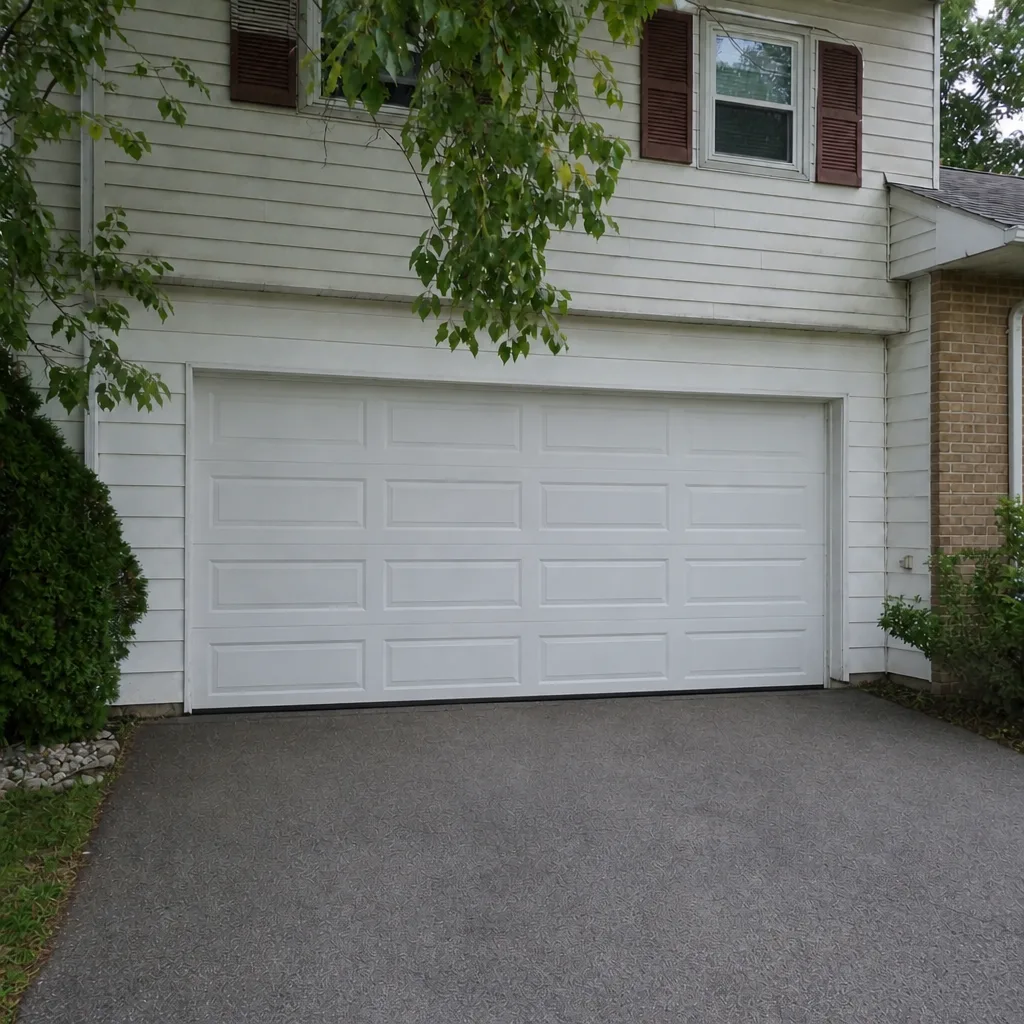
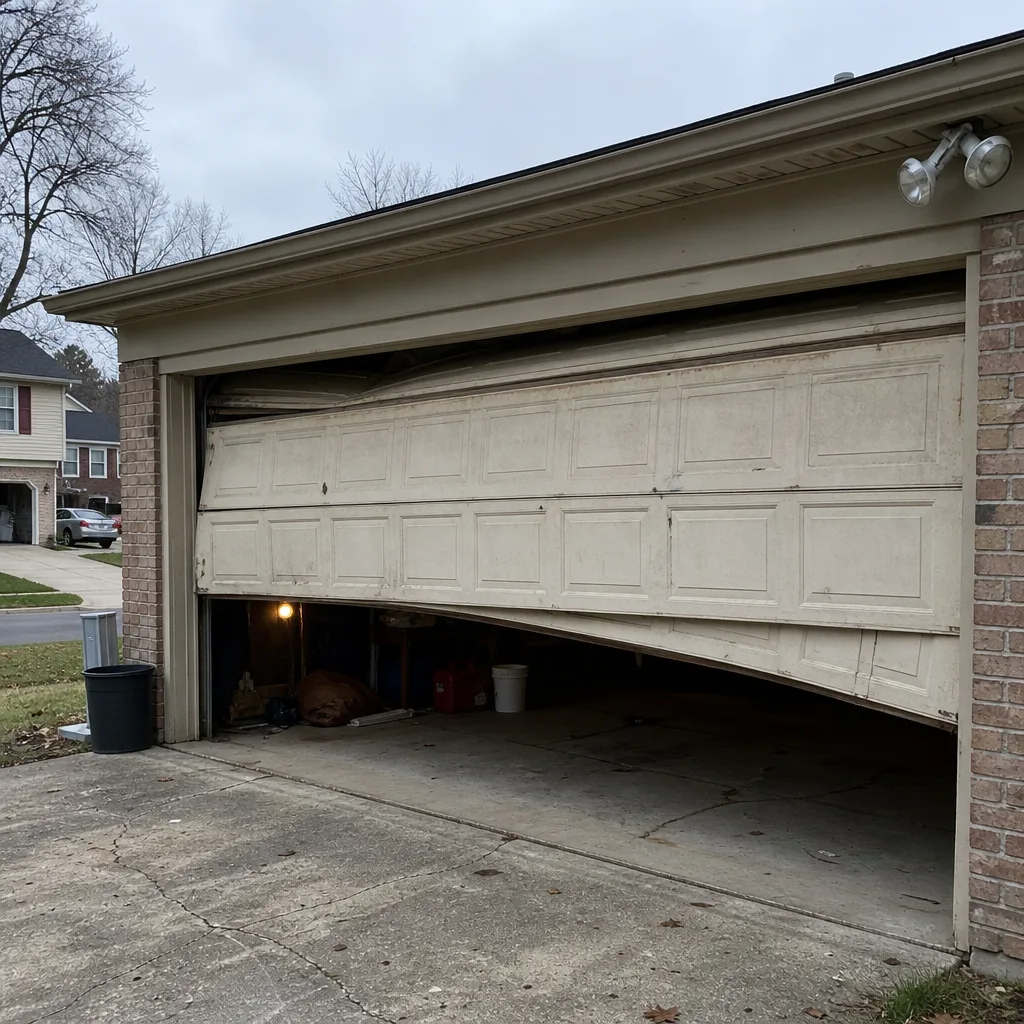
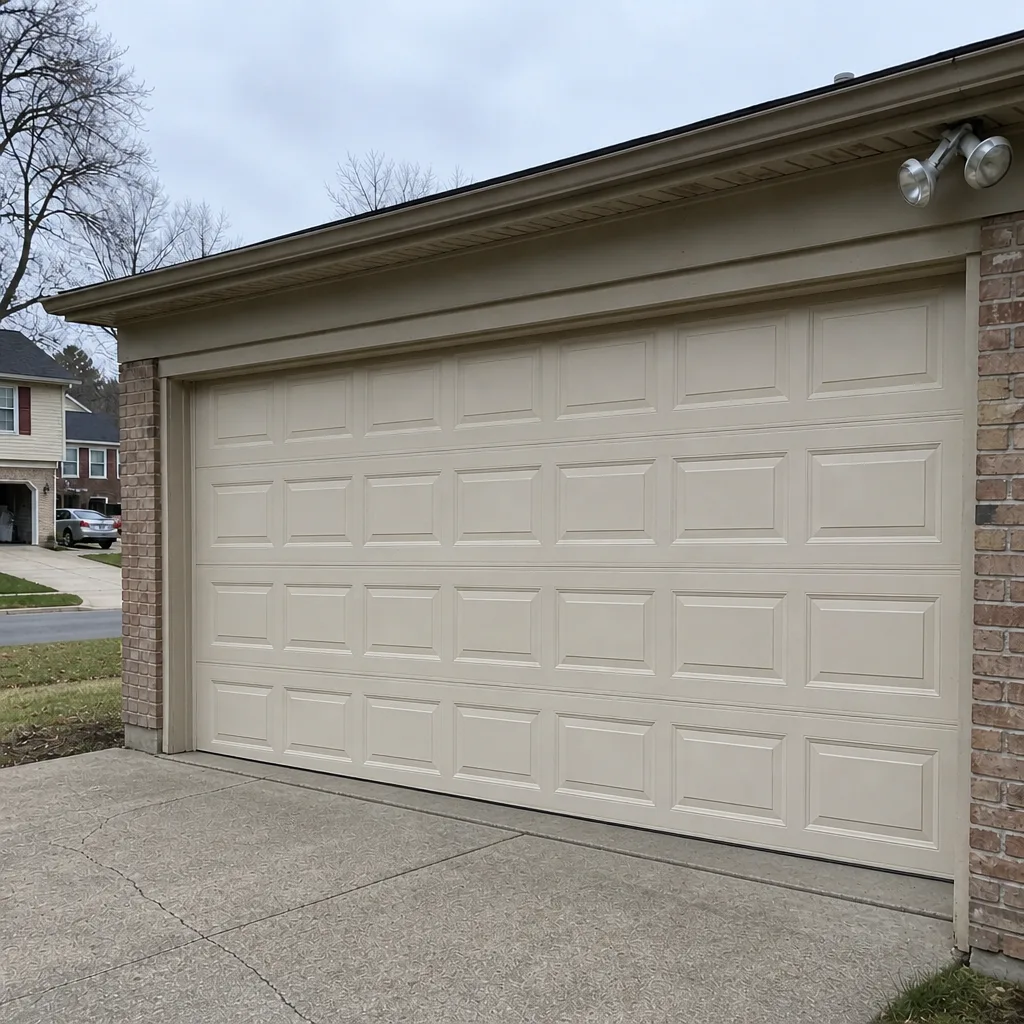
See the difference
 Before
 After
 Before
 After
 Before
 After
When to Call a Professional
Call a professional any time you see a broken spring, a fraying or slack cable, a door off its track, or an opener reversing without an obstruction. Those are stop-and-call signs, and they’re the jobs we take most seriously. Call if the door hesitates, tilts, or binds, if you hear popping from the spring area, or if your opener is slower than usual or won’t close fully in cold weather. If you’re unsure whether a noise is a roller or a spring, call and describe what you’re seeing – we can usually tell you how urgent it is over the phone. Garage Door Repair Reston offers free estimates in Reston, and our technicians have up to 15 years of experience working on the brands already installed on most Reston homes. Call (866) 972-4956.
Frequently Asked Questions
The first sign is usually a popping sound, or a small visible gap or crack in the torsion spring coil. A door that also feels extremely heavy when lifted by hand is a strong confirmation. If you notice either sign, stop using the door and call a technician – don’t try to lift or adjust the spring yourself.
Usually yes, briefly, if the grinding is clearly from rollers or a track and the door still moves evenly. Grinding from rollers or a track is one of the slower-urgent signs, so it’s typically safe to schedule a repair rather than stop everything. But if the door binds or hesitates, stop and call.
Cold weather thickens lubricant, stiffens seals, and tightens clearances, which increases drag on the door. The opener hits resistance and either reverses or stalls partway. It can resolve as the day warms, but the underlying tightness will return each cold snap until the door is adjusted or the rollers and tracks are serviced.
Worn rollers usually give you weeks to months, and they fail gradually rather than suddenly. The main risk of waiting is that worn rollers accelerate wear on the track and put extra load on the opener. Replacing them early is the cheaper path, so schedule it rather than waiting for a failure.
No. A warning sign is any change in sound, movement, alignment, or opener behavior that appears before a failure. Many warning signs – a squeal, a rattle, a worn roller – are safe to run briefly while you schedule a repair. The ones that mean stop are a broken spring, a fraying or slack cable, a door off its track, and an opener reversing without obstruction.
In most cases, yes. Describe the sound, the door’s behavior, and what you can see, and we can usually tell you whether it’s a stop-and-call sign or something you can schedule. We work on the brands already installed on Reston homes, including Clopay, Amarr, Wayne Dalton, Genie, LiftMaster, and Chamberlain. Call (866) 972-4956 – estimates are free.
The Bottom Line
Garage door failures almost always announce themselves first, and the warning signs are specific enough to match to a component. A grinding noise points to rollers or track, a squeal to bearings, a pop to the spring or cable, and a rattle to hardware. An opener that reverses, slows, or won’t close fully in cold weather is telling you something different each time. The single most useful skill is knowing which signs mean stop and which mean schedule – springs, cables, bent tracks, and unexpected reversing are stop-and-call. Reston’s seasonal swings make roller, seal, and opener faults show up sooner than homeowners expect, so a twice-yearly check catches most of them. If you’re unsure, call and describe what you’re seeing. We’ve built our work around the fact that repair or replacement is a decision best made by someone who knows the door.
When you want a specialist to look at it – door, opener, or both – Garage Door Repair Reston can help. We repair, install, and service the full system, work on the brands already on your home, and offer emergency service when a door won’t move. Call (866) 972-4956 for a free estimate, and tell us what you’re hearing and seeing. We’ll tell you which one actually needs to happen.
Written by the team at Garage Door Repair Reston.