Last updated November 23, 2026
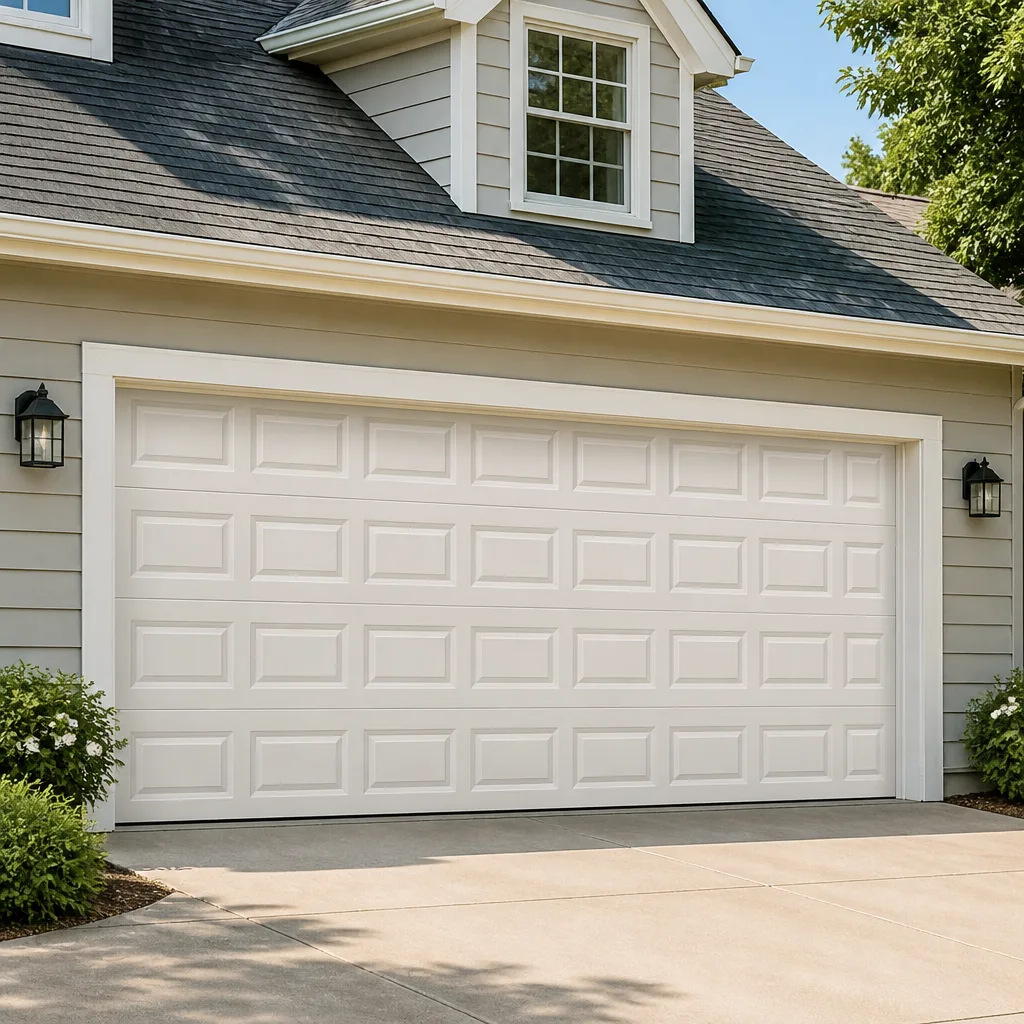 Raised-panel steel
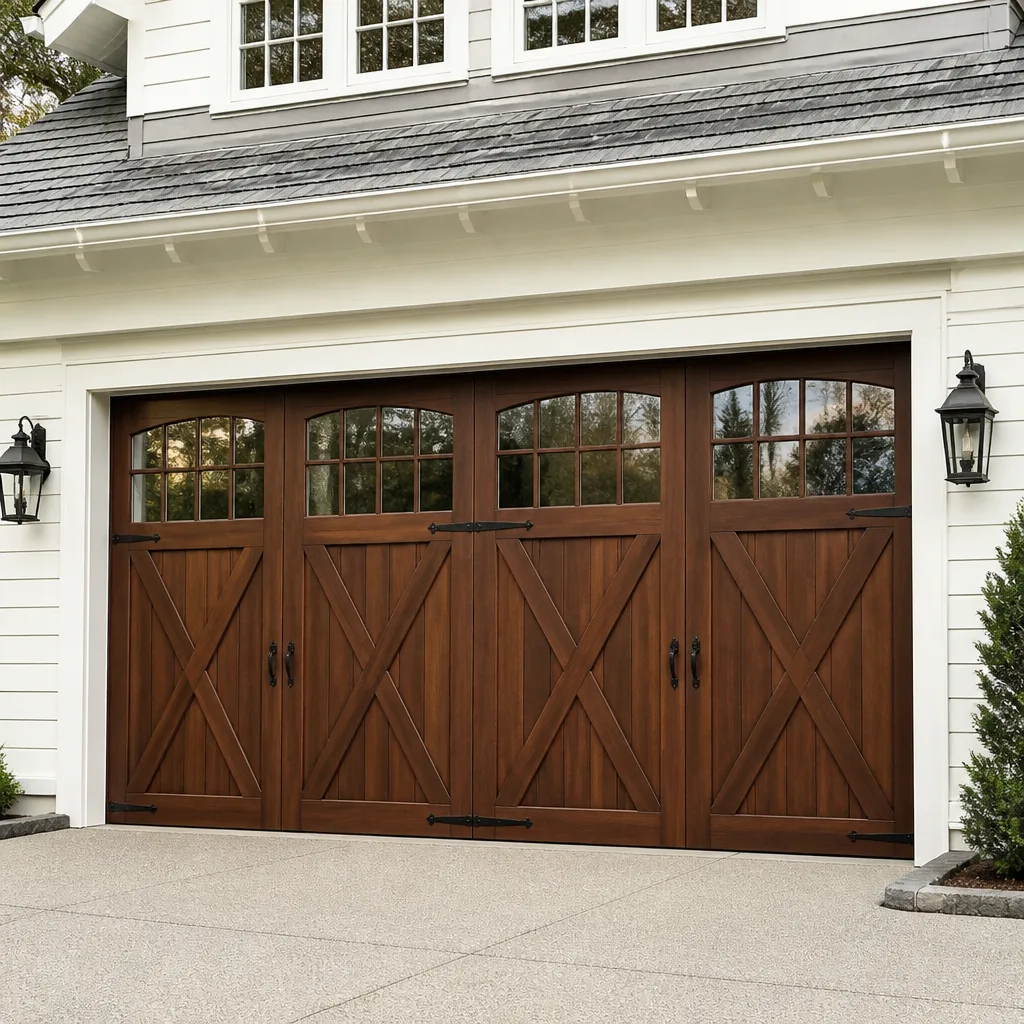 Carriage house
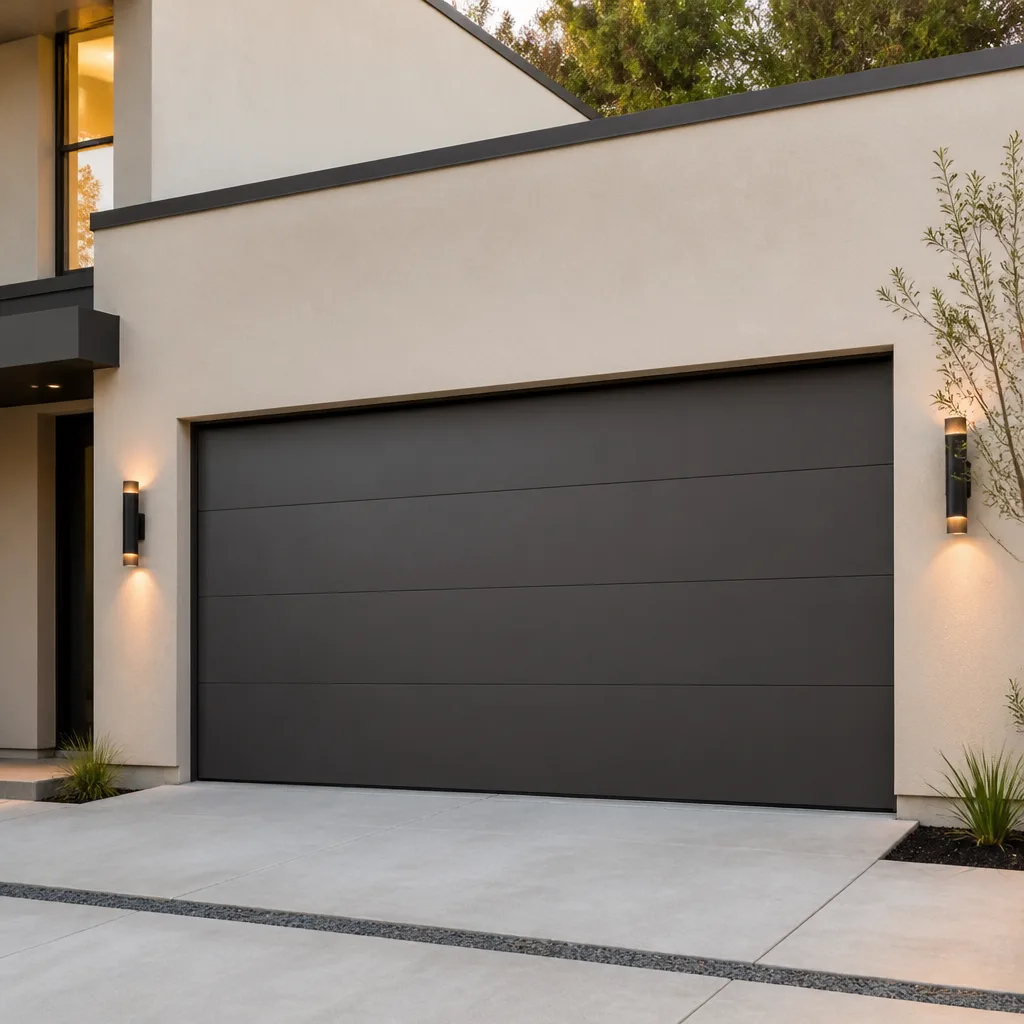 Modern flush
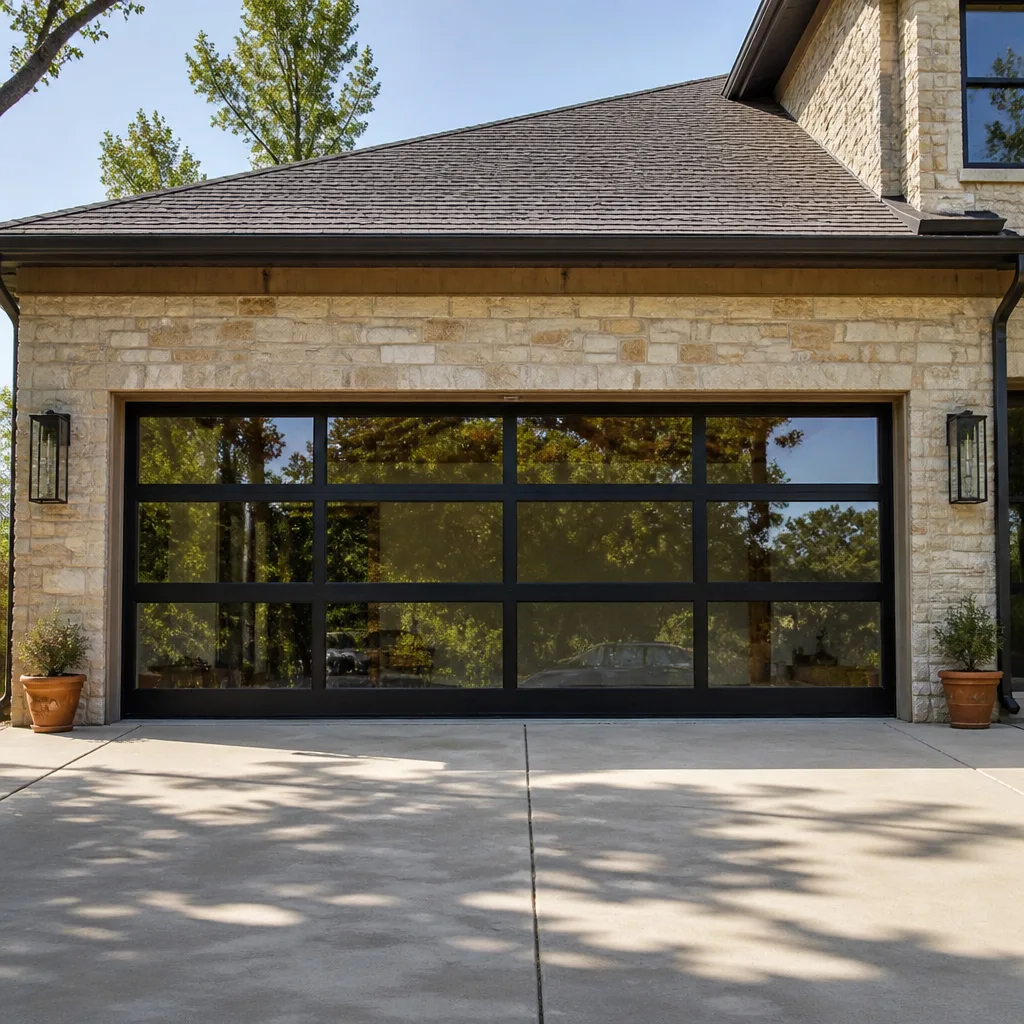 Full-view glass
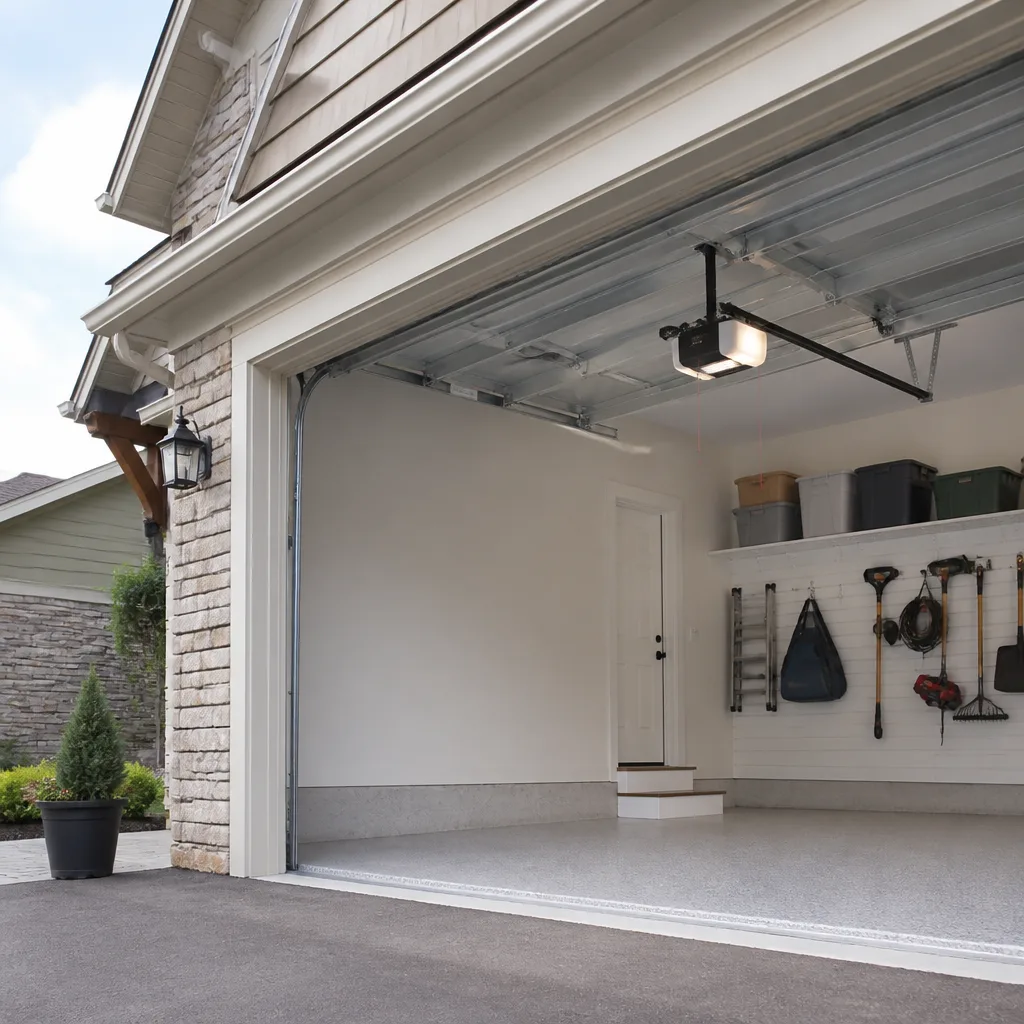 LiftMaster openers
 Chamberlain openers
Full 25-point door and opener safety check with every visit - springs, cables, rollers, tracks, and your LiftMaster or Chamberlain opener included
You get a price before we start. It does not change when the pro arrives.
Get your free estimateSeasonal Garage Door Care for Reston: Year-Round Homeowner’s Guide
Most homeowners treat garage door maintenance as a single chore they get to eventually, usually after something breaks. In Reston, that approach costs money. This area gets four genuinely different seasons, and each one stresses a different part of your door system. The oil you put on a torsion spring in October is the wrong move by May. The seal that keeps out summer thunderstorms is the thing that freezes to your slab in January. A maintenance calendar built for a mild climate doesn’t fit here. This guide walks through what each season does to your door, what to check before it turns, and when a problem is worth a phone call rather than a Saturday afternoon.
Styles & brands we work with
- Raised-panel steel
- Carriage house
- Modern flush
- Full-view glass
- LiftMaster openers
- Chamberlain openers
Quick Answer
Garage door care in Reston works best on a four-window schedule: inspect and lubricate in fall before the first freeze, ease off spring tension checks in the coldest weeks, replace worn bottom seals in spring as the thaw sets in, and adjust track alignment in early summer before heat expansion causes binding. Most of these tasks take under an hour and prevent the two failure spikes – late November and early June – that catch homeowners off guard.
Table of Contents
- Why Reston’s Climate Is Hard on Garage Doors
- Fall: The Month That Decides Your Winter
- Winter: Cold, Metal Fatigue, and the Spring Question
- Spring: Thaw Season and the Bottom Seal
- Summer: Heat, Expansion, and Track Alignment
- The Reston Month-by-Month Task Calendar
- A 10-Minute Monthly Walk-Around
- Common Mistakes to Avoid
- When to Call a Professional
- Frequently Asked Questions
Why Reston’s Climate Is Hard on Garage Doors
Reston sits in a transition zone. We get enough cold to freeze the ground for weeks at a time, and enough summer heat to bake a south-facing aluminum door until the panels expand and the tracks pinch. That swing between freezing and 90-plus is the real enemy. A garage door is a mechanical system under constant tension, and every material in it – steel, aluminum, the torsion spring itself, the rubber seals – expands and contracts at a different rate. Over one calendar year, your door goes through that cycle dozens of times.
The neighborhoods here have their own patterns worth knowing. Older sections of Reston with mature tree canopy hold moisture on the north side of a garage long after the rest of the driveway has dried. That’s where floor seals degrade first. Townhome clusters around Lake Anne and Tall Oaks tend to have doors that face each other across a shared drive, which means snowmelt and runoff collect at the threshold rather than draining away. Standalone homes on sloped lots near Reston Town Center often have doors that sit at the low point of a grading plan, and those slabs see more water at the seal than a flat-lot home ever will.
None of this means your door is doomed. It means the maintenance calendar that works in Reston is not the same one you’d find in a homeowner guide written for a mild climate. The tasks below are tied to actual temperature windows, not a generic planting-zone chart. If something in the system is already failing, Garage Door Repair Reston covers the repair side of it, but the goal of this guide is to catch problems in the month before they turn into a breakdown.
The two failure windows
In our experience, garage door calls in Reston don’t arrive evenly across the year. They cluster into two narrow windows. The first is the week after the first hard freeze, usually late November, when doors that were binding slightly in October suddenly won’t move at all. The second is the first stretch of sustained 90-degree days, usually the first half of June, when a track that was a hair out of alignment in April starts dragging against an expanded panel. Both of those windows are predictable. Both are preventable if you do the work in the month before, not the week after.
Fall: The Month That Decides Your Winter
Fall is the most important maintenance window of the year in Reston, and it’s the one most homeowners skip. The goal is to get the door into a state where the first freeze can’t lock it up. There are three tasks that matter, in this order.
- Inspect every seal and weatherstrip. The bottom seal, the perimeter stops on the sides and top, and the threshold where the door meets the slab. You’re looking for cracks, hardening, flattening, or a visible gap when the door is closed. A seal that’s already cracked will fill with water, freeze overnight, and bond to the concrete. When you open the door the next morning it rips instead of releasing.
- Check the spring tension window, don’t touch the spring. With the door closed, look at the torsion spring above the door on the header – or the extension springs along the horizontal tracks. You’re checking for visible gaps between coils, rust streaks, or a spring that looks stretched out of shape compared to how it looked last year. A torsion spring that has lost tension will make the door feel heavy when you lift it by hand, and that heaviness is the warning sign that it’s about to fail.
- Swap to a cold-weather-appropriate lubricant. This is the task people get wrong. A thin spray lubricant that works fine in July can thicken in January and turn your rollers into stiff little wheels that drag. A lithium or silicone-based lubricant on the rollers, hinges, and springs handles cold better than a light oil. Apply it in October, before the first cold snap, on a day when temperatures are mild enough for it to spread properly.
Reston’s first freeze typically arrives somewhere in the second half of November. Do this work in October and early November and it’ll be done in time. Wait until Thanksgiving weekend and you’re likely doing it in the cold.
Winter: Cold, Metal Fatigue, and the Spring Question
Winter is when the torsion spring above your door does the most work under the worst conditions. Steel gets more brittle and less forgiving the colder it gets, and the spring is already cycling through a full wind and unwind every single time the door opens or closes. In Reston’s climate, once nighttime temperatures settle below about 20°F on a consistent basis, that spring is operating with less margin than it has at any other point in the year.
Here’s the threshold worth remembering: when you see a forecast that puts Reston in a sustained stretch below 20°F, that’s your cue to stop ignoring any change in how the door sounds or feels. A door that groans a little more in January isn’t necessarily failing. But a door that suddenly feels noticeably heavier when you lift it by hand, or one where the opener has to strain to get it started, is telling you the spring has lost tension. That’s when a preemptive inspection is worth it rather than a guess.
A note on safety here, because this matters. Torsion springs are under extreme tension and can cause serious injury if they release unexpectedly. We don’t give step-by-step instructions for winding, unwinding, or replacing a spring, and neither should any other source. If you suspect a spring problem in the cold, keep the door closed and get a trained technician to look at it. The job is one of the more mechanically complex in residential service, and it’s exactly the kind of repair that garage door spring repair covers. A broken spring is worth treating as an urgent call, not a next-month item.
Winter tasks that are safe to do yourself
- Clear snow and ice from the bottom seal and threshold before opening the door – never force a door that’s frozen to the ground.
- Keep the track area clear of de-icer buildup, which is abrasive and accelerates roller wear.
- Watch for ice dams forming at the garage door threshold on north-facing slopes, and clear them before they back water under the seal.
- Check that the photo-eye safety sensors at the bottom of the tracks are clean and unobstructed – snow and road grit collect there.
Spring: Thaw Season and the Bottom Seal
The spring thaw in Reston is when bottom seals fail, and most homeowners don’t notice until the damage has already reached the door. Here’s why. All winter, the bottom seal has been compressed against a cold slab. Every freeze cycle makes the rubber a little stiffer. By March, when the ground thaws and the first heavy rain arrives, that seal is at its most brittle and least able to keep water out. Water that gets past it doesn’t just puddle on the garage floor. It wicks up into the bottom panel of the door, and if that panel is steel it starts to rust along the bottom edge from the inside out.
The inspection is simple. On a dry day, close the door and look at the seal from the outside. A healthy seal compresses against the slab evenly along its full width. A failing one shows a gap in places, cracks across the surface, or a flat, hardened edge that no longer springs back when you press it. Run your hand along the bottom edge of the door panel itself and check for soft spots, bubbling paint, or rust streaks. That’s where the water damage shows up first.
Reston’s spring storms are also hard on the door’s perimeter seals and the threshold. Check the side stops and top seal after any heavy rain and look for water stains on the inside of the door. Water intrusion at the threshold is one of the more common issues we see in townhome clusters, where a shared driveway directs runoff toward the door rather than away from it. Replacing a bottom seal is a moderate job and often a good one to combine with an annual tune-up. If your door is also getting harder to open and close, that’s a separate issue – garage door repair covers the balancing side of it, including rollers and hinges that have stiffened over the winter.
Summer: Heat, Expansion, and Track Alignment
Summer heat creates a different set of problems, and they’re easy to misread. Aluminum and fiberglass doors expand measurably in sustained high heat, and steel doors expand too, just less. When a door panel grows, it needs a little room in the tracks. If the tracks are already slightly out of alignment – bent from a bump, sagging from years of use, or just never perfectly square – the expanded panel will drag. The symptom is a door that binds partway up, or one where the opener strains and occasionally reverses. Many homeowners assume the opener is failing in June. Quite often the opener is fine, and the track is the problem.
Before the first heat wave, check track alignment. With the door closed, sight down each vertical track from the floor up. The two tracks should be parallel and plumb. A track that’s bent inward at the bottom is usually the result of a car bumper or a bicycle, and it’s the most common cause of summer binding. You can also check the gap between the door panel and the track on each side – it should be roughly equal. If one side is noticeably tighter, the tracks are out of alignment.
Lubrication matters again in summer, but for a different reason. Winter needs a lubricant that stays fluid in the cold. Summer needs one that won’t attract grit and gum up the rollers. That’s a good time to clean the tracks with a rag and reapply a light lubricant, not a heavy grease. Also check the opener’s force settings if the door is getting harder to move – but before you adjust anything, confirm the door is balanced by hand. On a properly balanced door, you should be able to lift it about halfway and have it stay there. If it drops or feels heavy, the spring is the issue, and the opener is being asked to do work it wasn’t designed for. That’s another case where garage door opener repair is only half the conversation, because the real fix may be on the door’s mechanical side.
The Reston Month-by-Month Task Calendar
This calendar maps maintenance tasks to Reston’s actual temperature windows rather than a generic planting-zone chart. The timing matters as much as the task.
- September: General visual inspection. Check seals, look at the spring, listen to the door. Cooling temperatures are the last easy window before the cold takes over.
- October: The heavy-lifting month. Inspect and replace any failing seals, apply cold-weather lubricant to rollers, hinges, and springs, tighten loose hardware, and test the door balance by hand. This is the month that determines how the door behaves all winter.
- November: Final pre-freeze checks. Confirm the bottom seal is intact and the threshold is clear. First hard freeze usually arrives in the second half of the month. If anything is binding, fix it now – cold weather makes a small problem into a big one.
- December through February: Light maintenance only. Clear ice from the seal and threshold. Monitor door sound and feel, especially in cold snaps. Avoid major adjustments – the cold makes rubber and steel less cooperative. If a spring fails, that’s a call, not a project.
- March: Thaw season inspection. Check the bottom seal for winter damage. Look for water staining inside the door. Clear any debris that collected at the threshold over the winter.
- April: Seal replacement window, if needed. Rain is heaviest this month, so water intrusion shows up fast when it’s going to. Balance check by hand. Lubricate rollers and hinges with a lighter summer-appropriate product.
- May: Pre-summer alignment check. Sight down the tracks, look for bends at the bottom from winter bumps and scrapes. Confirm the opener’s safety reversal still works by testing it with an object.
- June through August: Alignment and lubrication checks. Watch for binding as the heat arrives. Clean the tracks. Reapply light lubricant as needed, not heavy grease. Confirm the photo-eye sensors are clean and working.
A 10-Minute Monthly Walk-Around
Beyond the seasonal tasks, a fast monthly check catches most problems before they get expensive. Do it on the same day you change your air filter, and it’s easy to remember.
- Listen to the door as it opens and closes. Grinding, squealing, or a new rattle is a change, and changes matter more than sounds that have always been there.
- Look at the spring. Rust streaks, a visible gap between coils, or a spring that’s stretched out of shape are all warning signs, especially heading into winter.
- Test the door balance by hand. With the opener disconnected, lift the door about halfway and let go. It should stay roughly where you left it. A door that drops means the spring has lost tension.
- Check the bottom seal. Close the door and look for gaps along the slab. A failing seal is a water intrusion risk year-round, and it’s the leading cause of rusted bottom panels in Reston.
- Confirm the safety sensors are working. Block the photo-eye with your hand while the door is closing – it should reverse. If it doesn’t, stop using the opener until it’s fixed.
- Look down the tracks. Any bend, especially at the bottom where car bumpers reach, is a binding risk that gets worse in summer heat.
If any of those checks surfaces a problem, the next question is whether it’s a homeowner fix or a call. The next section covers that line.
Common Mistakes to Avoid
- Waiting until the door breaks to do anything. The failure windows in Reston are predictable – late November and early June. The work that prevents those failures has to be done in the month before, not the week after.
- Using a spray lubricant that thickens in cold. A light oil works fine in July and turns into a drag on rollers in January. Swap to a cold-weather-appropriate lubricant in October, and back to a lighter product in spring.
- Adjusting the opener to compensate for a door that’s out of balance. If the door is heavy by hand, the spring is the problem. Cranking up the opener’s force setting is a workaround that wears out the motor and stresses the whole system.
- Ignoring the bottom seal because the garage looks dry. Water intrusion starts at the threshold and works up into the door panel before the floor shows it. By the time there’s a puddle, the panel is already rusting.
- Forcing a frozen door open. If the seal has bonded to the slab overnight, pulling the door up manually rips the seal and can bend the bottom panel. Break the ice free first, or wait for it to release.
- Doing spring work yourself. Torsion springs are under extreme tension and cause serious injury when they release unexpectedly. This is the one task in garage door maintenance that belongs to a trained technician, every time.
- Overlooking the tracks after a bump. A track that’s been dinged at the bottom is a binding risk that gets worse as summer heat expands the door panels, and it’s easy to miss until the door starts dragging.
When to Call a Professional
Most of this guide is work you can do yourself. A handful of situations aren’t, and calling early usually saves money compared to waiting. Call a technician if the door feels heavy when you lift it by hand, if you see a gap in the spring or rust streaks on it, if the door won’t stay level or comes down crooked, if the opener reverses for no reason, or if the door is binding in the tracks and you can’t find a bent section to explain it. Spring failures, cable problems, and opener motor faults all fall in the same category – things that look simpler than they are and carry real risk.
Garage Door Repair Reston offers free estimates in Reston, and we quote the price before any work starts so you know what you’re agreeing to. Our technicians have up to 15 years of experience and work on all the major systems – LiftMaster, Chamberlain, Genie, Clopay, Amarr, Wayne Dalton, Craftsman, and Raynor – so you won’t get an upsell to a different brand just because that’s what happens to be on the truck. We handle both the door and the opener, which matters because a summer binding problem is often a mechanical issue, not an opener failure. Call (866) 972-4956 for a free estimate.
Frequently Asked Questions
Twice a year is the right baseline for this climate: once in October before the first freeze, and once in April as the thaw sets in. Those two windows do most of the preventive work. A monthly visual walk-around catches the rest between service visits.
Yes, lubricating the rollers, hinges, and springs is a safe homeowner task, as long as you use the right product for the season and don’t touch the torsion spring’s tension. Use a cold-weather-appropriate lubricant in fall and a lighter product in spring, and apply it on a mild day so it spreads properly. What you shouldn’t do yourself is wind, unwind, or replace a spring – that job carries serious injury risk and belongs to a trained technician.
Cold temperatures make the spring more brittle and the lubricant thicker, and they stiffen the rubber seals against the slab. The most common cause in Reston is a bottom seal that’s bonded to the concrete after a freeze, or rollers that are dragging because the summer lubricant has thickened. If the door also feels heavy by hand, the spring is losing tension, and that’s worth a call.
A sustained stretch below 20°F is the threshold worth watching for in Reston’s climate. That’s when a spring that was showing early signs of tension loss becomes a real failure risk. If you notice the door getting heavier as the forecast drops below that mark, get it inspected before it breaks.
Usually not. In our experience, summer binding in Reston is more often a track alignment issue that shows up when aluminum or steel panels expand in the heat. Check the tracks for a bend at the bottom and sight down each one before assuming the opener is the problem. If the door is balanced by hand and still binds, the track is where to look first.
No – a healthy seal can last several seasons. The reason it comes up every spring in this guide is that the thaw is when seal failures show up, and catching them early prevents water damage to the door panel. Inspect it each March and April, and replace it only when you see cracks, gaps, or a hardened edge that no longer springs back.
The Bottom Line
Reston’s four seasons each stress a different part of your garage door, and the maintenance that protects it in one season has to change by the next. Fall is the highest-value month – inspect and replace failing seals, swap to cold-weather lubricant, and confirm the spring can handle what’s coming. Winter is a monitoring season, not a repair season. Spring is when bottom seals fail and water intrusion begins. Summer is when track alignment matters most. Do the seasonal work in the month before each window, and the two failure spikes that catch most homeowners never happen. When a spring, cable, or balance problem does come up, treat it as a call to a trained technician. Garage Door Repair Reston can give you a free estimate and a written price before anything starts – call (866) 972-4956.
Written by the team at Garage Door Repair Reston.
See the difference
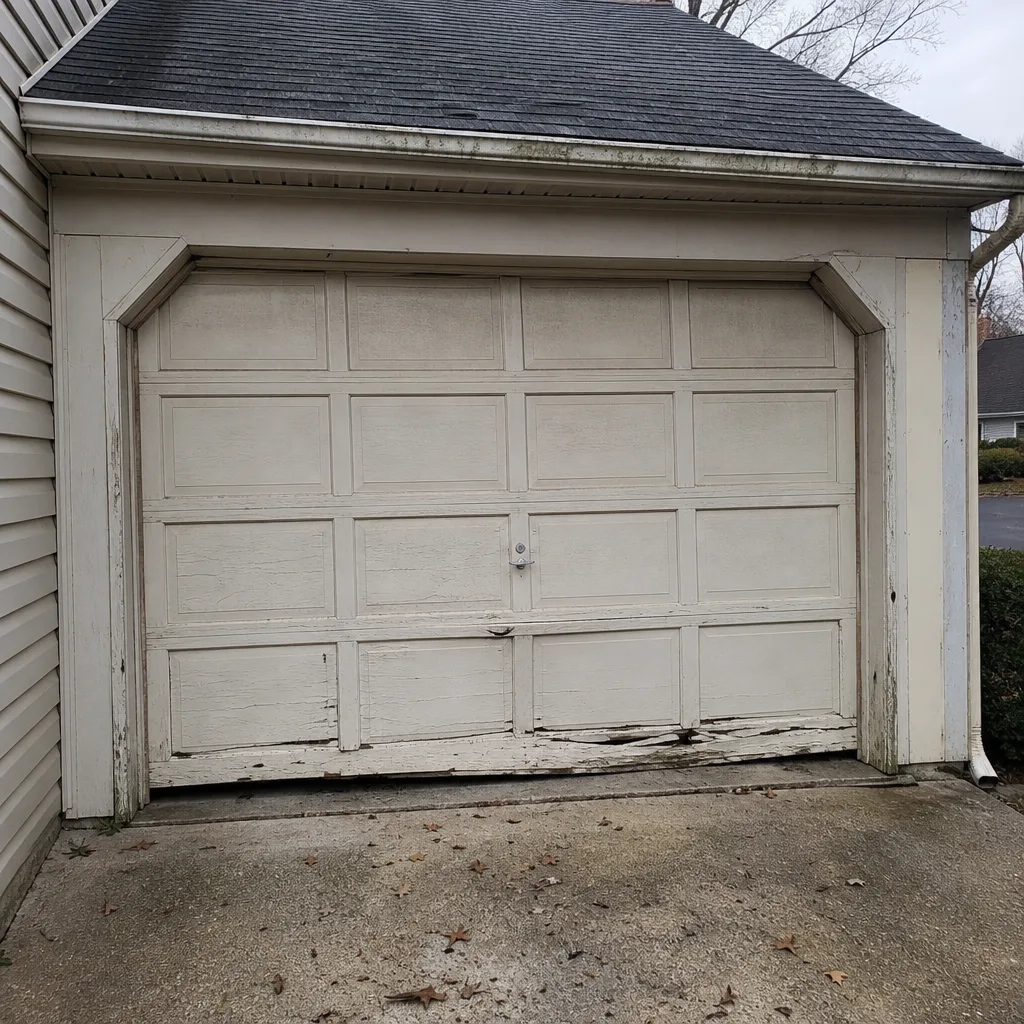 Before
 After
 Before
 After
 Before
 After