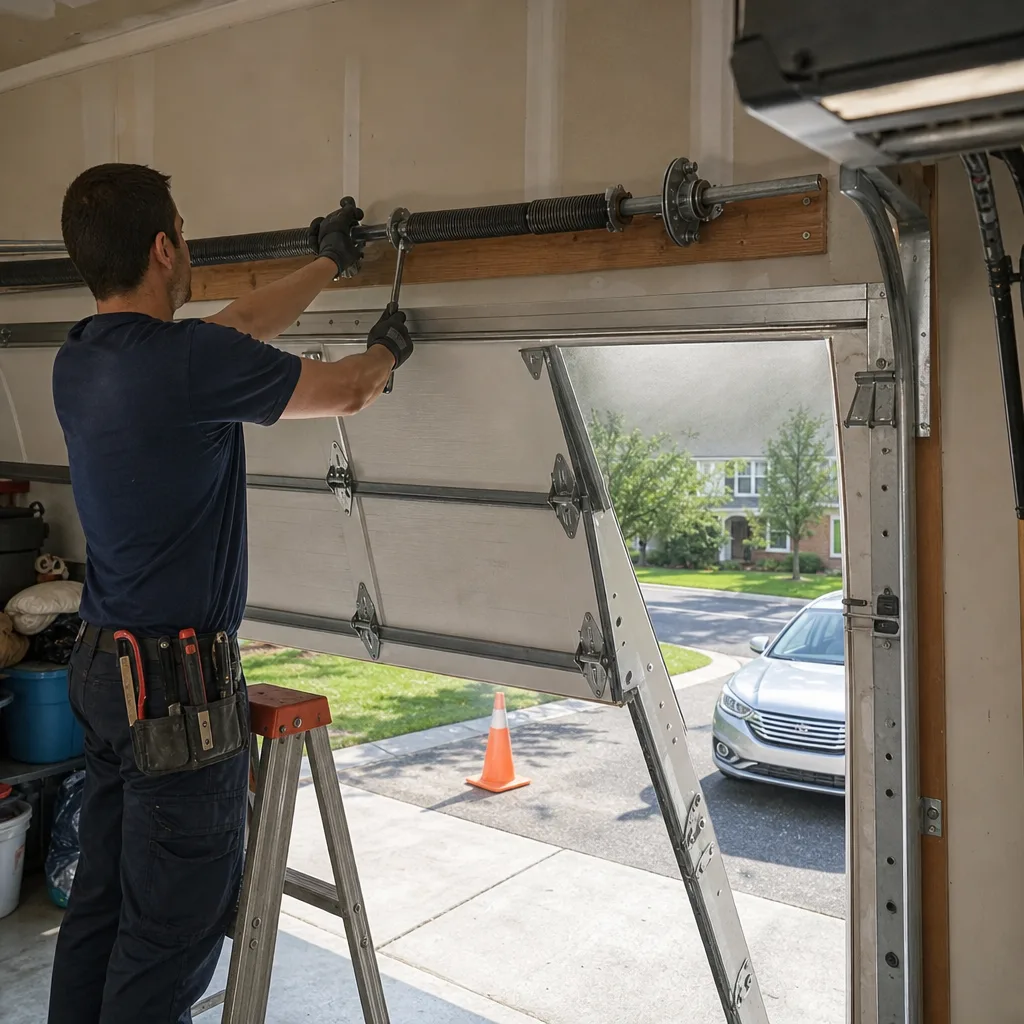
Last updated November 23, 2026
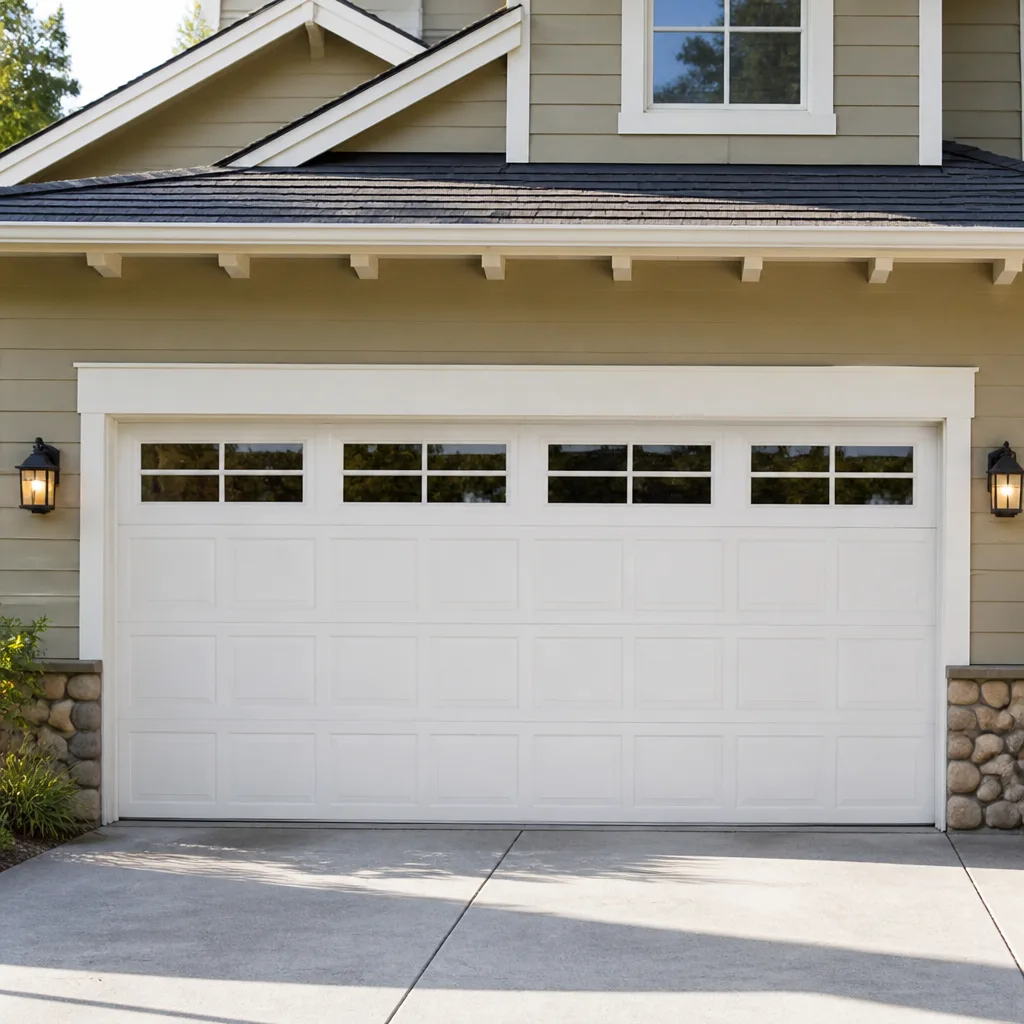
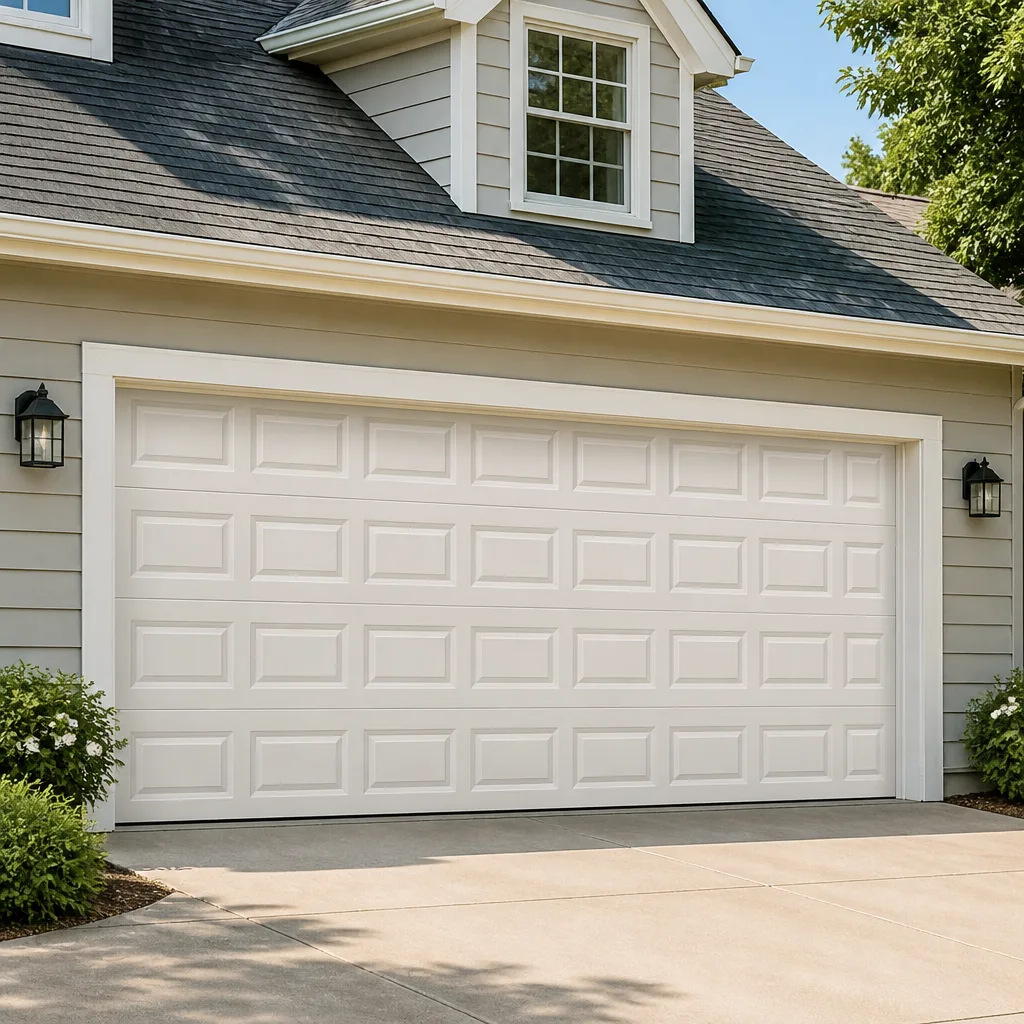 Raised-panel steel
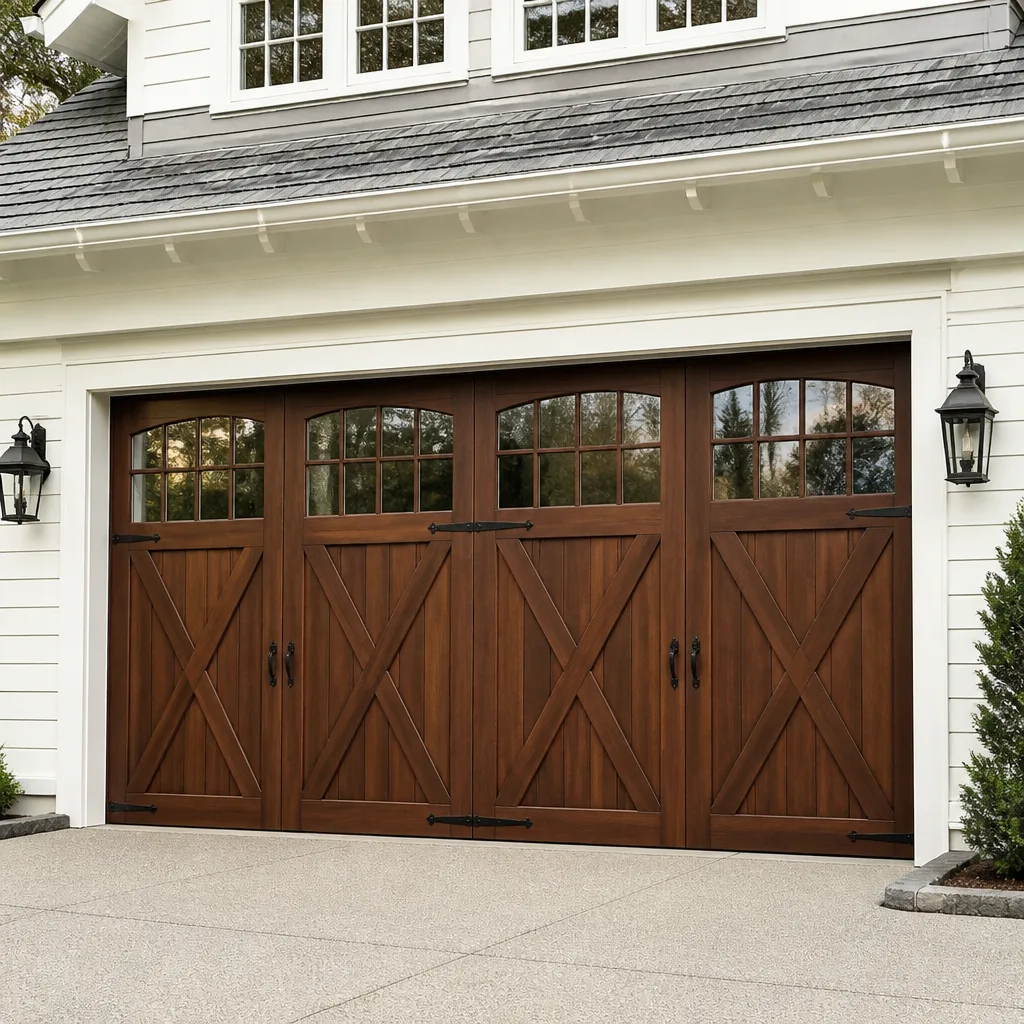 Carriage house
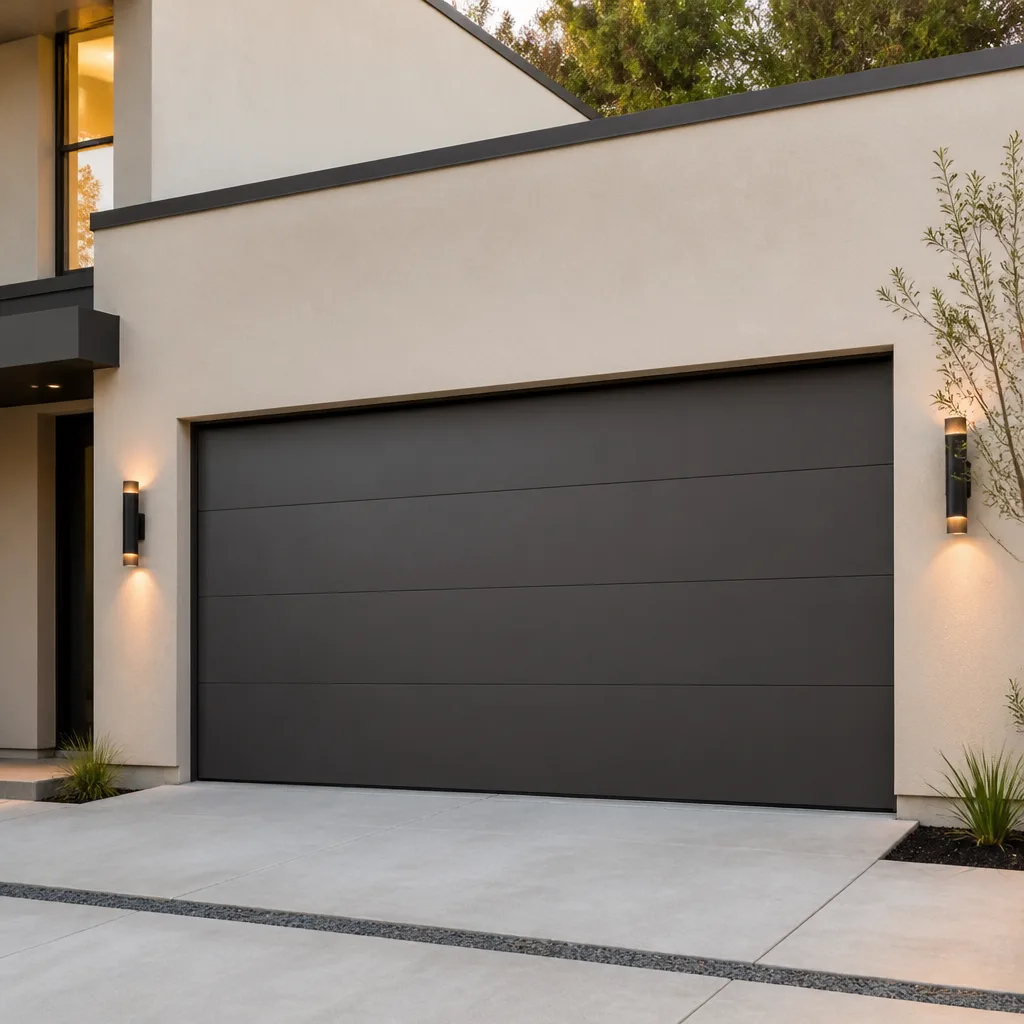 Modern flush
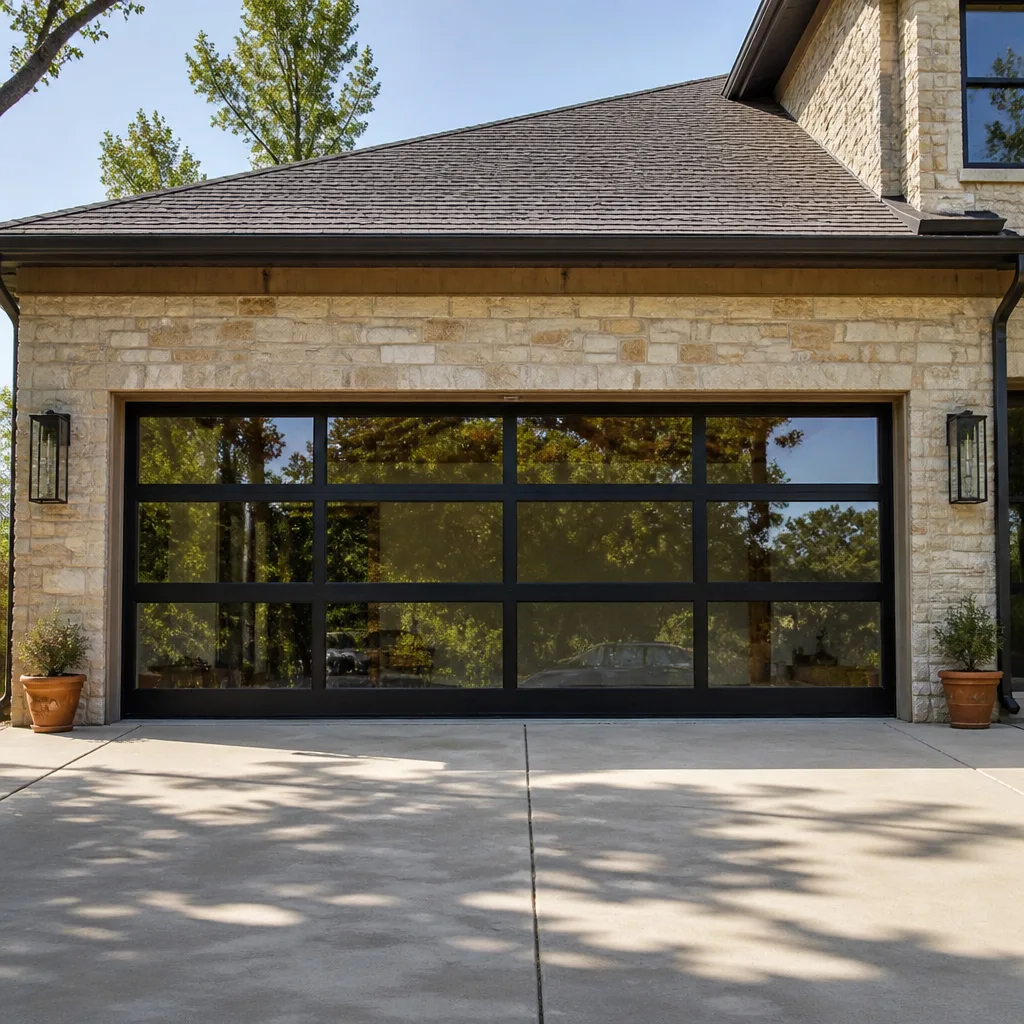 Full-view glass
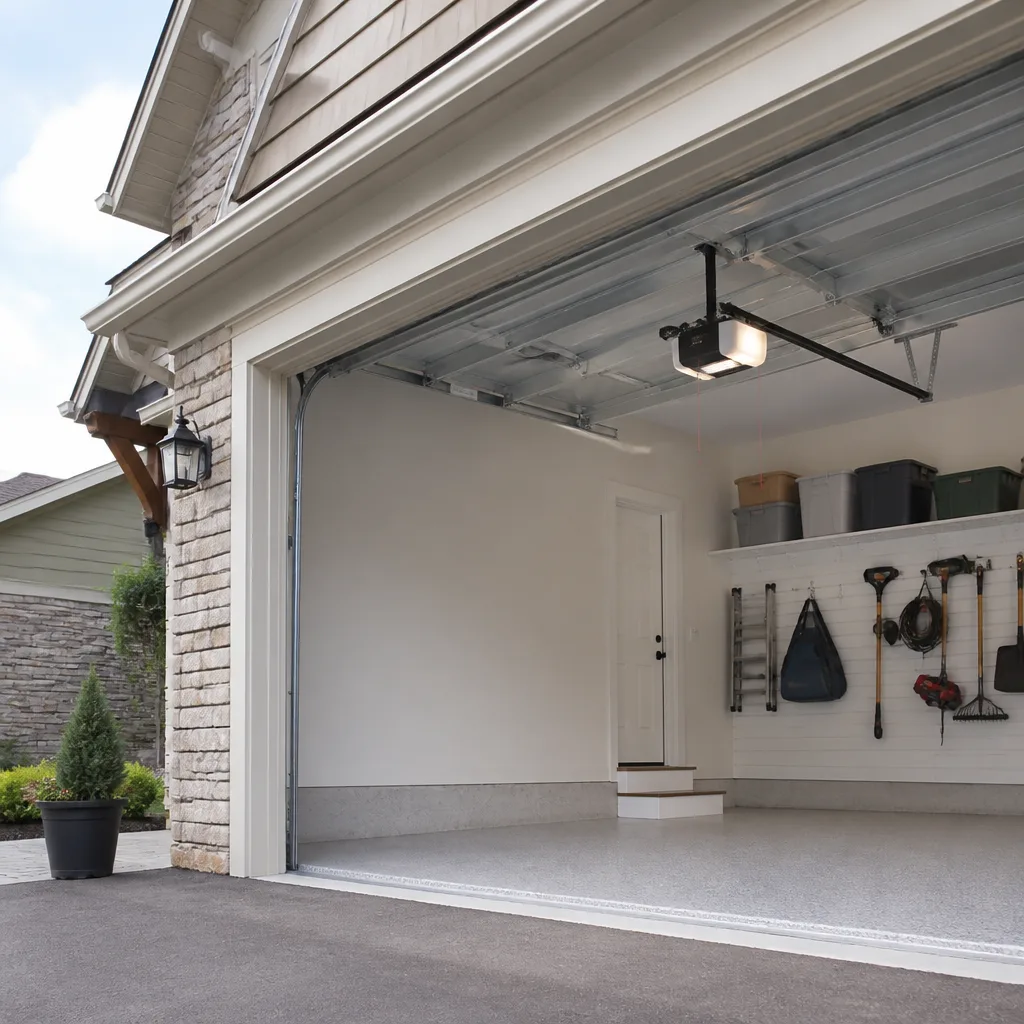 LiftMaster openers
 Chamberlain openers
Full 25-point door and opener safety check with every visit - springs, cables, rollers, tracks, and your LiftMaster or Chamberlain opener included
You get a price before we start. It does not change when the pro arrives.
Get your free estimateGarage Door Emergency Preparedness Guide for Reston Homes
Most garage door advice tells you to call a technician. That’s fine, and sometimes it’s exactly right. But the first ten minutes after a door fails are yours, and what you do in those minutes decides whether you’re waiting for help from your driveway or from inside a secure house. In Reston, where a large share of homes are townhomes and the garage often serves as the front door, the difference matters more than in a neighborhood full of front-entry colonials. Below we cover the manual release on the three opener types you’re most likely to own, how to re-secure a door after you’ve released it, what to do when a spring snaps with the door half open, and how to tell a genuine emergency from a problem that can wait until morning. Read it once now, while the door is working. You’ll be glad you did the night you need it.
Quick Answer
A garage door emergency is any failure that leaves your home unsecured, traps a vehicle you need, or leaves the door stuck in a position that could fall. Pull the emergency release cord only after the door is fully closed or you’ve supported it, then manually lock or brace the door before you leave it. Genuinely urgent failures, like a snapped spring, a door off its tracks, or a car locked inside, warrant a same-night call to a specialist; a cosmetic dent or a slow opener can usually wait for a normal appointment. Call (866) 972-4956 and we can help you sort out which one you’re dealing with.
Styles & brands we work with
- Raised-panel steel
- Carriage house
- Modern flush
- Full-view glass
- LiftMaster openers
- Chamberlain openers
Table of Contents
- Why Reston Townhome Garages Fail Differently
- How Do You Manually Release a Garage Door?
- How Do You Secure the Door After a Manual Release?
- What Happens During a Power Outage?
- What Do You Do When a Spring Snaps Mid-Cycle?
- Which Problems Need Same-Night Service?
- How Do You Prepare Before You Ever Need This?
- Common Mistakes to Avoid
Why Reston Townhome Garages Fail Differently
Reston has a housing stock that puts unusual stress on garage doors. The original clusters around Lake Anne and the older sections of North Point were built with single-car garages that many households now use as their main entry. In newer North Hills and Tall Oaks townhomes, garages sit at grade under the main living level, so a door left open overnight isn’t just a yard problem: it’s an open door into the house itself. That changes what counts as an emergency. A door that won’t close at 10 PM in a front-loading colonial is an annoyance. The same door in a Reston townhome cluster is a security gap that can’t sit until Tuesday.
The local climate adds its own pressure. Reston summers are humid enough that steel door panels and hardware corrode slowly, and the freeze-thaw swings of a Virginia winter shorten the working life of torsion springs faster than a mild climate would. Humidity also plays with the travel limits on older openers, which is why a door that ran fine in April can start reversing halfway down in July. When that happens, the safety sensors are usually the first thing to check, and sometimes the second.
We’ve noticed another local pattern: Reston’s older townhome communities have a high concentration of original-equipment openers from the builder era, many of them Chamberlain or Craftsman units that are now two decades old and running original circuit boards. Newer construction leans toward LiftMaster belt-drive openers, quieter and easier to work on, but with their own quirks around battery backup. Knowing which family your opener belongs to makes a real difference in an emergency, which is why we train our technicians on all eight of the major brands sold in North America, including those four and Raynor, Genie, Clopay, and Amarr. Our technicians have up to 15 years of experience with the full spread. If you’d like a plain-English conversation about what your system is likely to do under stress, our Garage Door Repair Reston page is a good place to start.
How Do You Manually Release a Garage Door?
You manually release a garage door by pulling the red T-handle cord that hangs from the opener trolley, but only after the door is fully closed or safely supported, because releasing the trolley lets the door free-fall if it’s up. The cord detaches the door from the opener so you can lift it by hand. Here’s the sequence we walk homeowners through, broken out by opener type.
Chain-Drive and Screw-Drive Openers (Most Craftsman and Many Older Chamberlain Units)
- Close the door first. If the door is up, do not release it. Lower it by hand only if the spring is intact, and have someone steady it.
- Locate the red cord. It hangs from the trolley carriage on the rail, usually near the door.
- Pull straight down and slightly toward the door. You should hear the trolley click free.
- Lift the door by hand if you need to open it. A properly balanced door should lift with one hand. If it fights you or wants to slam down, stop and call us.
- Re-engage the trolley by hand when you’re done: pull the cord toward the door and then run the opener until it clicks back onto the carriage.
Belt-Drive Openers (Common on LiftMaster and Newer Chamberlain Installations)
The release procedure is the same as chain-drive, and the trolley carriage is usually identical. The difference is that belt-drive units are quieter and often have a manual release lever with a shorter throw. Pull straight down with steady pressure. If it feels stuck, don’t yank. There’s a simple reason this happens on some older units: the trolley can bind if the door was stopped mid-cycle during a power cut, and the fix is to rock the door slightly by hand while you pull. If that doesn’t free it, leave it and call us. A jammed release cord on a door stuck open is one of the few genuine same-night situations we handle in Reston.
Wall-Mount and Jackshaft Openers (Found on Some High-Lift and Vaulted-Ceiling Garages)
Wall-mount openers, made by LiftMaster and a handful of others, mount beside the door rather than on the ceiling. Release on these is usually a lever or a pull ring on the motor unit itself, not a hanging cord. Look for the red handle on the side of the motor. On some models, the release is disabled while the door is under tension, so check the manual. If you can’t find the release, don’t force anything.
If you’d rather not sort this out at 11 PM, our garage door repair team can walk you through your specific model by phone.
How Do You Secure the Door After a Manual Release?
A door you’ve released is a door with no lock on it. After you pull the release cord, the opener no longer holds the door, and anyone who lifts the door from outside will find it opens freely. That’s the single most common mistake we hear about: a homeowner releases the door to get their car out in the morning, drives away, and comes home to a door that’s been open all day. Here’s how to re-secure it.
- Close the door fully. It should sit flush with the floor. If it doesn’t, the door’s balance is off and that’s a repair, not a workaround.
- Engage the manual lock. Many older doors have a sliding bolt or latch on the inside face of the door. Slide it through the track to prevent the door from lifting.
- Use a C-clamp on the track if you don’t have a lock. A heavy C-clamp or vise-grip clamped on the vertical track just above a roller blocks the door from opening. It’s a temporary fix, but it’s fast and effective.
- Re-engage the trolley when you’re ready. Pull the release cord toward the door and cycle the opener until the carriage clicks back. Test by running the opener up and down once.
- Check the door from outside. Push up on the bottom panel. If it moves, it’s not secure.
In a townhome cluster, the door is part of the shared streetscape and an open or insecure door can affect neighbors and HOA rules as much as your own household. If you’re not sure your door is truly locked after a release, that’s a good reason to have it looked at the next day, even if the opener is working again.
What Happens During a Power Outage?
During a power outage, your garage door opener stops working and you operate the door by hand using the manual release, but if your opener has a battery backup, the situation is different and worth understanding before it happens. Battery backup openers were made common by LiftMaster and Chamberlain, and they change the emergency plan in two important ways.
If You Have a Battery Backup
- The opener stays operational for a limited time. Most battery backup units will cycle the door dozens of times before the battery drains. After that, it’s a paperweight.
- Manual release still works, but the safety system may lock it out. On some models, if the battery is engaged and the opener senses the door is in motion or the safety beam is obstructed, the trolley won’t release. You may need to power the unit down completely before the release cord will pull free.
- Don’t assume the door is secured just because the opener works. Battery backup keeps the opener running, but it does not add a lock. If you’re leaving the house during an outage, secure the door manually as though there’s no power at all.
If You Don’t Have a Battery Backup
- Release and lift manually. Follow the steps in the section above.
- Plan for the door to be a manual door until power returns. Releasing and lifting by hand is completely normal for a balanced door.
- Re-secure every time. Every time you use the door manually, re-engage the trolley or lock the door before you leave it.
If your opener has a battery backup and you’re not sure how it behaves when the power drops, that’s a good question to sort out before the next storm. Our garage door opener repair specialists can check the unit and tell you exactly what to expect.
What Do You Do When a Spring Snaps Mid-Cycle?
When a spring snaps mid-cycle, the door becomes dead weight and you should stop touching the door, keep everyone clear of it, and call a specialist. That’s the whole answer, and it’s the correct answer even if you feel confident about DIY. Here’s why it matters: garage door springs hold hundreds of pounds of tension, and a snapped torsion spring can release that energy in an instant. A door stuck halfway up with a broken spring is a falling hazard, not just an inconvenience.
We include this warning in every safety conversation we have with homeowners, because it’s the one failure that genuinely can hurt someone. The door is heavier than it looks and it’s no longer being held by the spring that was designed to balance it.
Here’s what to do, in order:
- Do not stand under the door. Move children, pets, and cars out from underneath.
- Do not try to force the door up or down. Without spring tension the door can crash the rest of the way down.
- Leave the door in its current position and keep people away from it. If it’s held partially open and looks unstable, prop a sturdy object under the bottom edge only if you can do so safely from the side, never from below.
- Look for the broken spring. A snapped torsion spring usually shows an obvious gap in the coil, and a snapped extension spring will be stretched out. You don’t need to do anything with that information: just confirm the problem so you can describe it on the phone.
- Call a specialist. This is one of the jobs that general handymen decline for good reason, and it’s the job our technicians handle most often. Call (866) 972-4956 and tell us the door’s position and the spring type if you can see it.
Reston’s freeze-thaw cycles are hard on springs, which is why we recommend a torsion spring inspection every few years, not because we want to sell you one. If the spring on your door is original to the house, it’s a candidate. Our garage door spring repair page covers what a typical spring job involves, including one important costing detail: when both springs are replaced together, which is standard, you’re paying for two springs, not one. We carry the parts for Clopay, Amarr, Wayne Dalton, and Raynor doors specifically because so many Reston homes use them, and we can quote a replacement spring price and a written estimate for the whole job before we start.
Which Problems Need Same-Night Service?
Not every garage door problem warrants an emergency call, and knowing the difference saves you money and worry. The general rule: if the failure leaves your home unsecured, traps a vehicle you need for work or medical reasons, or involves the door in an unstable position that could fall, it’s an emergency. If it’s cosmetic, an inconvenience, or a problem you can secure manually and address next day, it can wait. Here’s a breakdown.
Call Same Night
- A snapped spring with the door stuck open. The door is unsecured and unstable.
- A door off its tracks. It’s a falling hazard and won’t close.
- A car locked inside the garage with the door broken closed. Especially if you need it in the morning.
- A door that won’t close and won’t stay down. The home is open overnight.
- A release cord that’s jammed with the door stuck open. Same security problem.
- Any injury or near-miss. Keep the door untouched and get help.
Can Wait Until the Next Appointment
- A dented or scratched panel. Cosmetic, secure, and ready for a normal visit.
- A slow or noisy opener that still moves the door. Schedule a repair, but it’s not an emergency.
- A remote or wall switch that stopped working. Unlock the door manually and call it in the morning.
- A door that reverses at the bottom but still closes when held. Often a sensor issue. You can secure it by hand and schedule service.
- A weather seal or bottom rubber problem. Annoying, not urgent.
How We Evaluate After-Hours Calls
When you call us after hours, we ask three questions: is the door stuck open, is anyone trapped or locked out, and is the door in a position that could fall. Those three answers decide whether you need a technician now or at a normal appointment. We don’t push you toward a same-night visit if a next-day one will keep you safe. That’s the difference between a specialist and a call-center dispatch, and it’s the kind of judgment that saves you money and keeps your household safe.
One honest note about after-hours work: our response times depend on the door’s condition and the technician’s route, and the price for after-hours calls is set by the written estimate we give you before any work starts. It will not surprise you at invoice time.
How Do You Prepare Before You Ever Need This?
Preparedness is simple and costs almost nothing. A door that fails at 10 PM is a door that fails on its own schedule, so the value of this section is in what you do on a sunny afternoon, not during a storm. Here’s a short checklist we recommend to every Reston homeowner.
- Learn where the release cord is on your specific opener. Locate it now, while the door works, and show every adult in the house.
- Check your door balance. Close the door, pull the release cord, and lift the door by hand to about halfway. It should hold itself in place. If it wants to fall, it needs spring work.
- Know your opener brand. Reston homes have a wide spread: LiftMaster and Chamberlain are the most common, with older Craftsman units still running in plenty of townhomes. The brand tells us a lot about what to check.
- Keep the area around the release cord clear, especially if there’s a small child or pet in the house.
- Know how to secure the door after a release. If your door doesn’t have a manual latch, a C-clamp works.
- Electric eye check. Point a phone camera at the safety beam sensors near the floor. If the LED on the camera shows the beam is broken, clean the lenses.
- Have our number saved. (866) 972-4956.
If you’re not sure how your opener handles a power loss or a manual release, or if you’re considering a new door from a brand like Clopay or Raynor, now is the moment to schedule a visit. We provide free estimates and written pricing on everything we do.
Common Mistakes to Avoid
- Releasing the door while it’s fully open. That’s how doors fall. Always close first or have someone supporting the door.
- Assuming the opener is holding the door when it’s not. After a manual release, the door is free. Either re-engage the trolley, or lock the door, before you leave it.
- Pulling harder when the release cord sticks. A jammed cord can hide a mechanical problem with the trolley. Call us instead of forcing it.
- Driving off with the door open in a townhome cluster. Reston has a lot of shared driveways where a door left up affects neighbors and HOA rules. It’s the same courtesy the community standards are built around.
- Trying to fix a spring yourself. A torsion spring can cause serious injury. This is not the job for a YouTube tutorial.
- Ignoring a door that reverses at the floor. Sometimes it’s a sensor, sometimes it’s a balance problem. Either way, it’s telling you something.
- Assuming a battery backup keeps the door itself secure. A battery-powered opener keeps working, but the door’s lock is a separate matter. Secure it manually.
- Calling a general handyman for a spring. Most decline the job, which wastes a day. A specialist can quote the work and do it.
See the difference
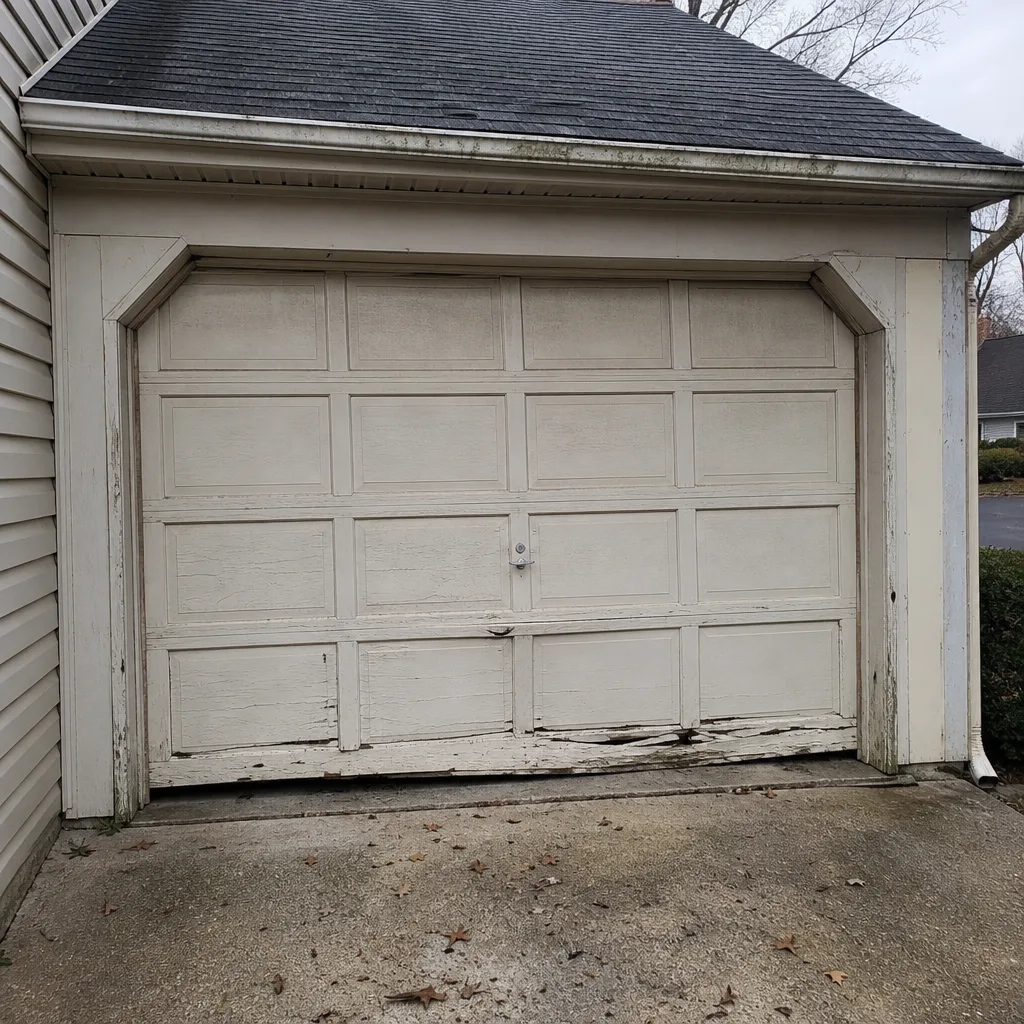 Before
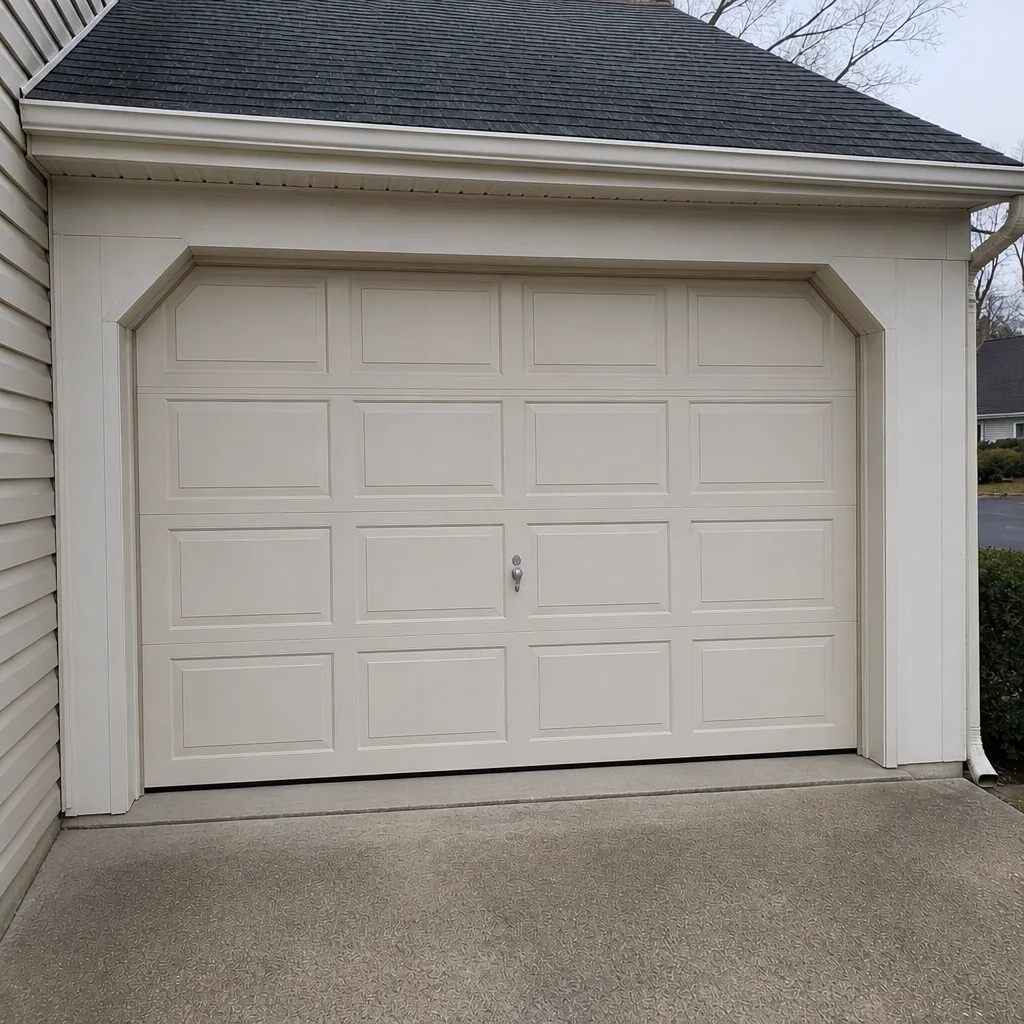 After
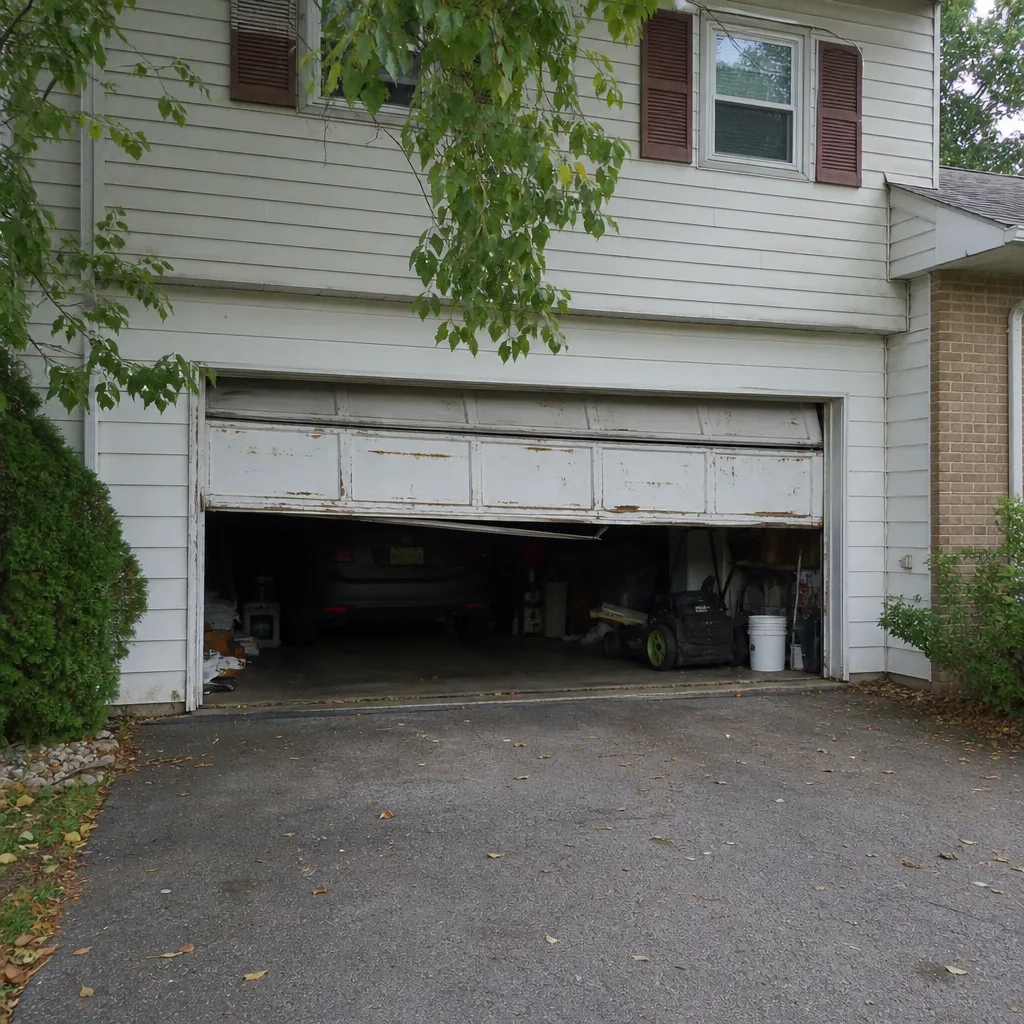 Before
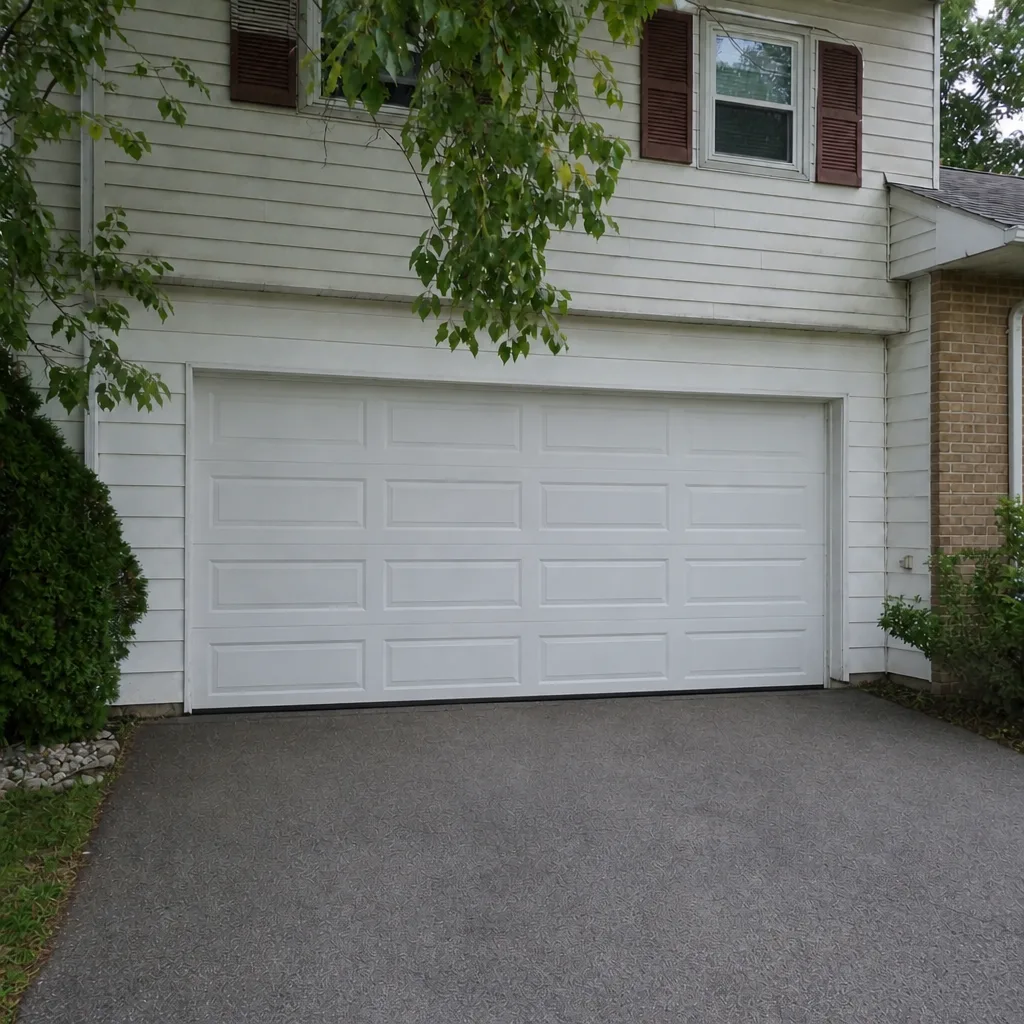 After
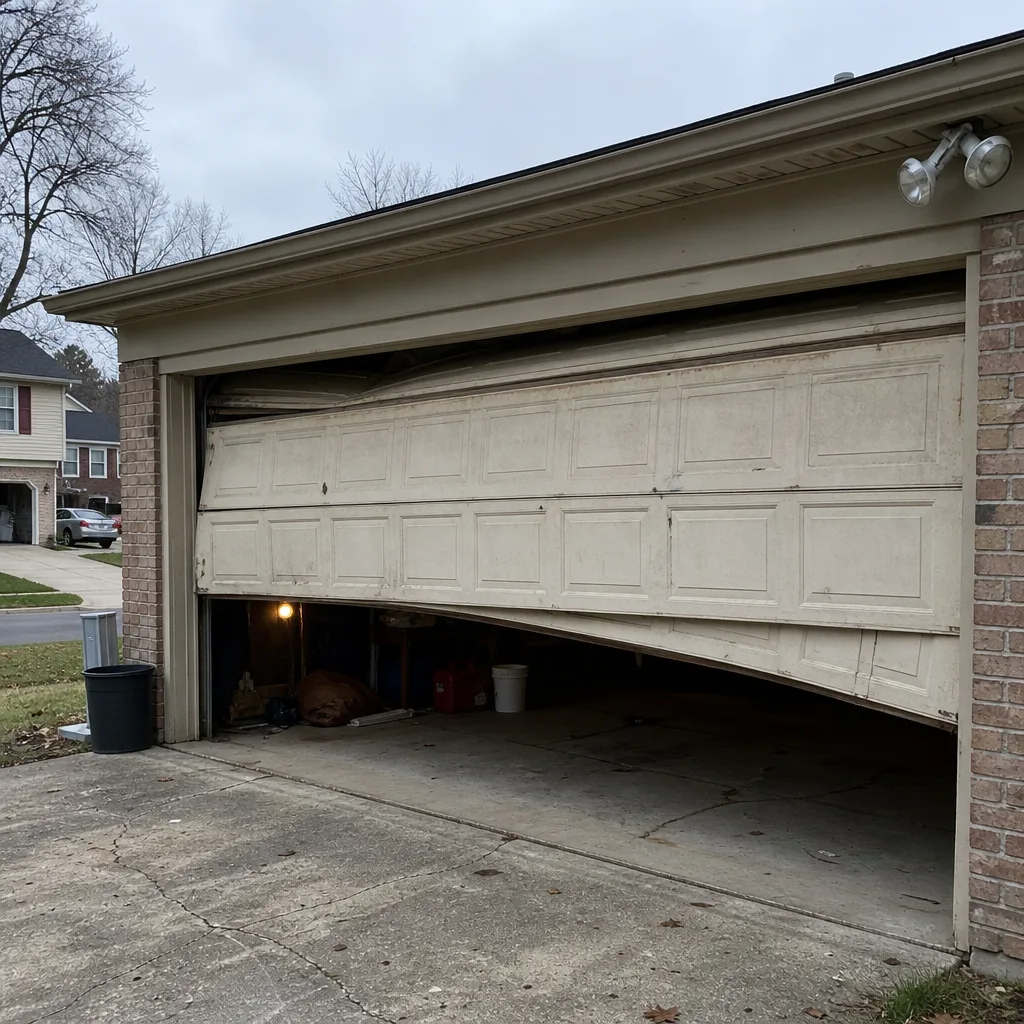 Before
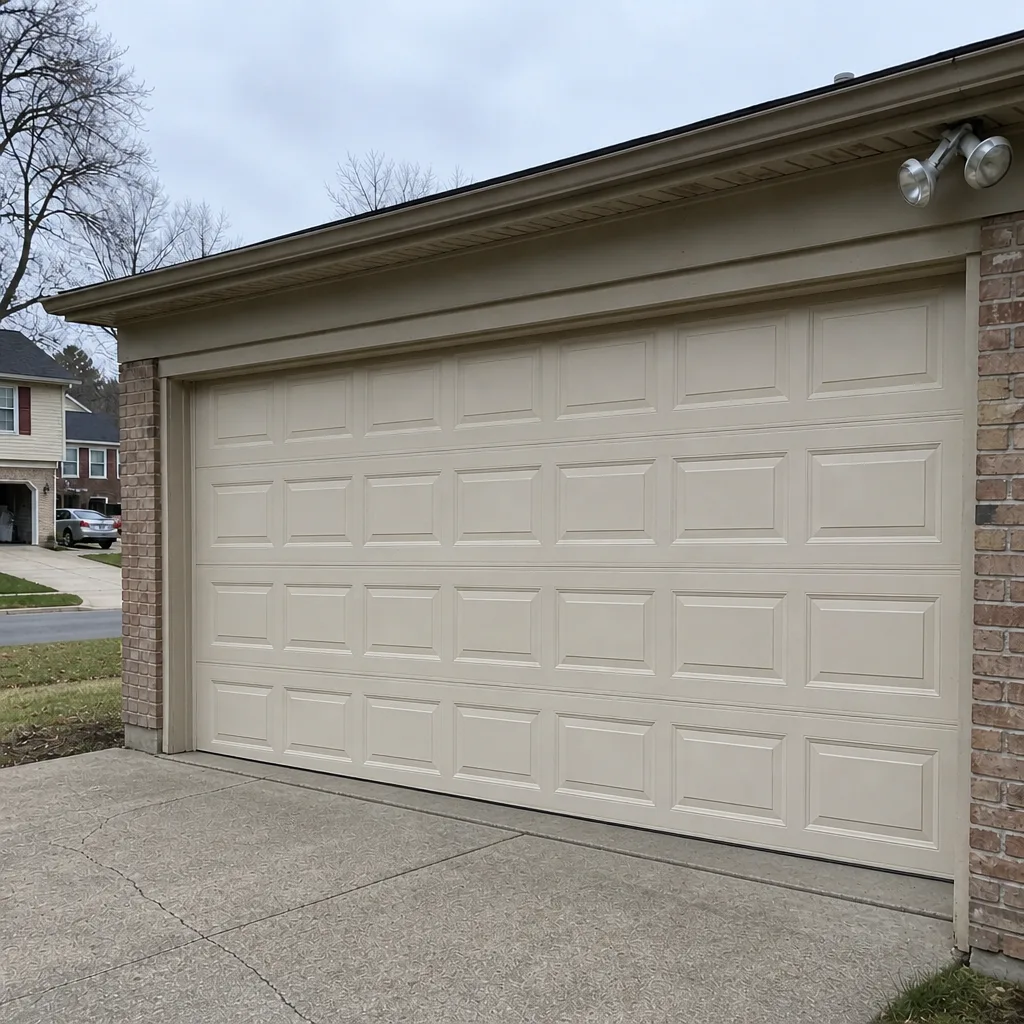 After
When to Call a Professional
Any failure involving a broken spring, a door off the track, a jammed release cord with the door stuck open, or a car trapped inside the garage deserves a professional call, and that’s a good time to call (866) 972-4956. So does any door that lifts hard or wants to fall, because that’s a balance problem your household shouldn’t manage. Smaller issues, like a noisy opener, a dented panel, or a remote that stopped working, are worth a normal appointment. Our technicians have up to 15 years of experience and are trained on LiftMaster, Chamberlain, Genie, Craftsman, Clopay, Amarr, Wayne Dalton, and Raynor, so the system already on your door is likely one we work on every week. Garage Door Repair Reston offers free estimates in Reston, and every job comes with a quote agreed in writing before any work starts. Repair or replace, we’ll tell you which one actually makes sense for the door you have.
Frequently Asked Questions
Yes, we take emergency calls for the Reston area and can often reach a genuinely urgent failure the same day or night. The right move is to tell us what’s happening: is the door stuck open, is anyone locked out, is the door in danger of falling. That determines how quickly you’ll see a technician. Call (866) 972-4956 and we’ll give you a straight answer about timing before you commit.
It’s the red T-handle hanging from the trolley on the opener rail, usually near the door on ceiling-mounted openers. On wall-mount units, look for a red lever or ring on the motor housing itself. Pull it straight down toward the door to release the trolley. Pull it only after the door is closed or supported. If you’re not sure, call us and we’ll walk you through it.
No. After you pull the release cord, the door unlocks from the opener and can be opened by hand from outside. Secure it by closing it fully and engaging the manual latch, or clamp a C-clamp on the vertical track just above a roller. Then re-engage the trolley, or leave the clamp in place until a technician arrives.
Stop touching the door and keep everyone out from under it. A door with a snapped spring is no longer supported by the spring machinery, so it can fall with force. Don’t force it up or down. Call (866) 972-4956, tell us the door’s position, and we’ll send someone to secure it.
Yes. A battery backup opener keeps the motor running for a limited number of cycles, so you may not need to release the door at all. But the door isn’t locked by the backup; if you’re leaving, secure the door manually. On some models, the manual release won’t pull free while battery power is active. Try cycling the opener, and if it still won’t release, call us.
A typical single torsion spring repair in Reston usually runs in a moderate range, and a matched pair, which is standard, costs closer to double a single spring because you’re replacing two. We give you a written estimate before any work starts, so the number you’re quoted is the number you pay. Call (866) 972-4956 for a free estimate on your specific door.
The Bottom Line
Garage door emergencies in Reston come down to three things: know where your release cord is before you need it, secure the door after you use it, and know which failures are real emergencies versus which can wait. The spring job is the one to leave alone: that’s a specialist’s work and it’s what we do most. If the door is stuck open, the car is trapped, or the spring has snapped, call (866) 972-4956. If it’s a dent or a noisy opener, we’ll be glad to schedule a normal visit and quote the work. Free estimates, written pricing before any work, and a specialist who works on whatever brand is already on your home: that’s the whole offer. The rest of this page is here as reference for the night it matters.
Written by the team at Garage Door Repair Reston.