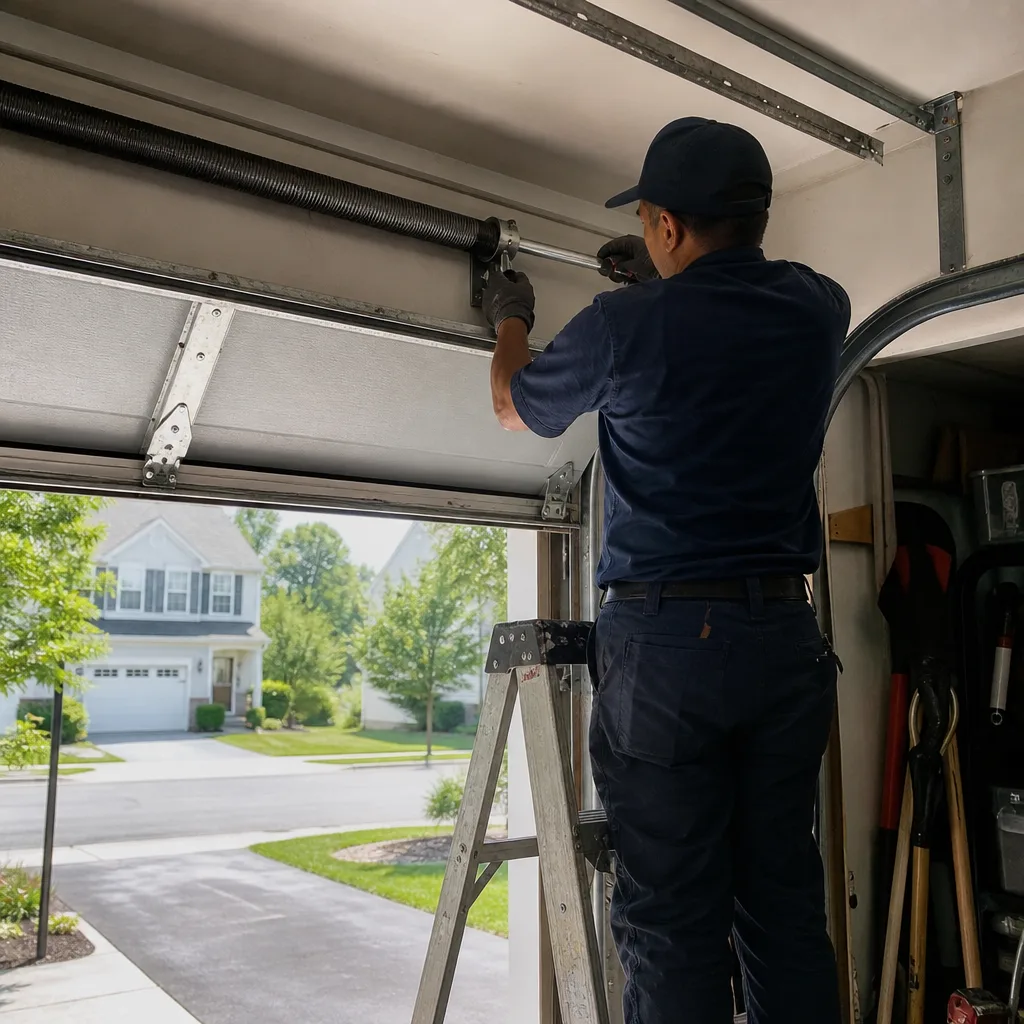
Last updated November 23, 2026
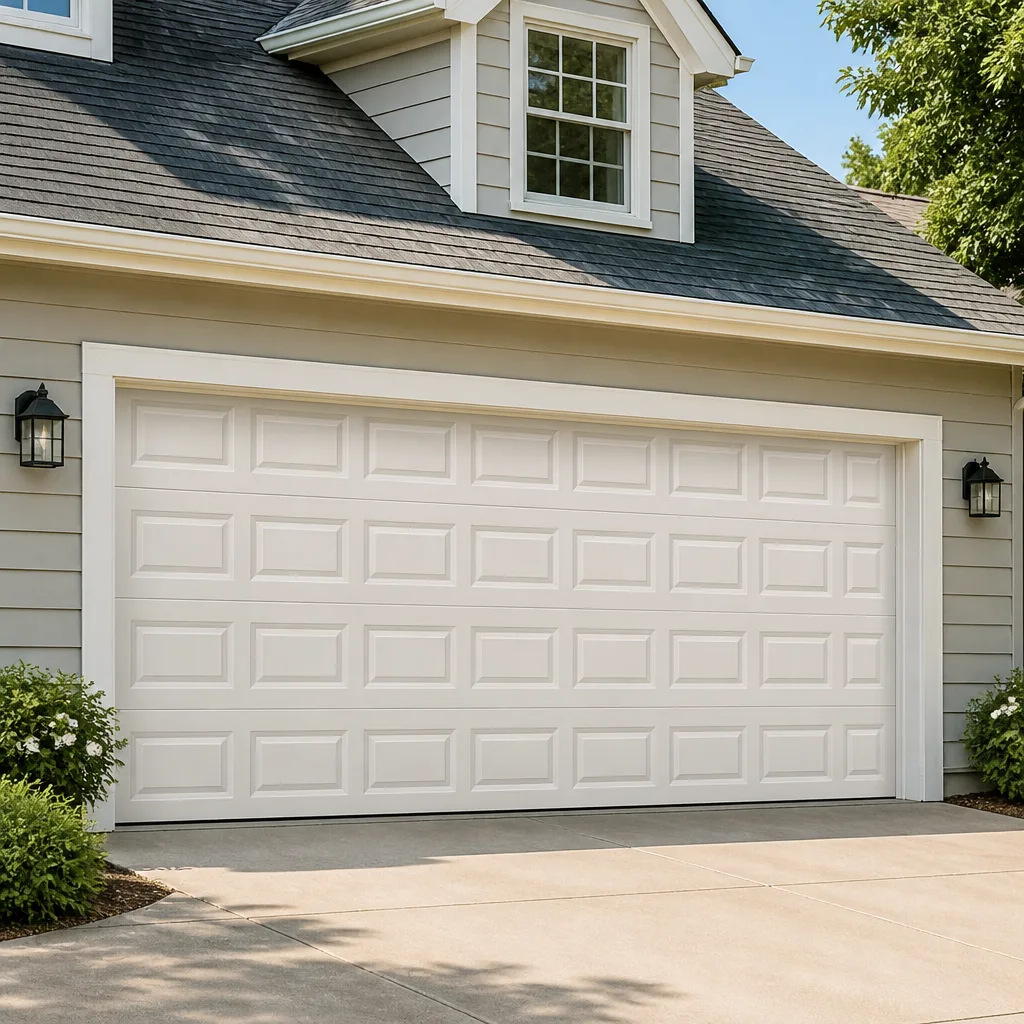 Raised-panel steel
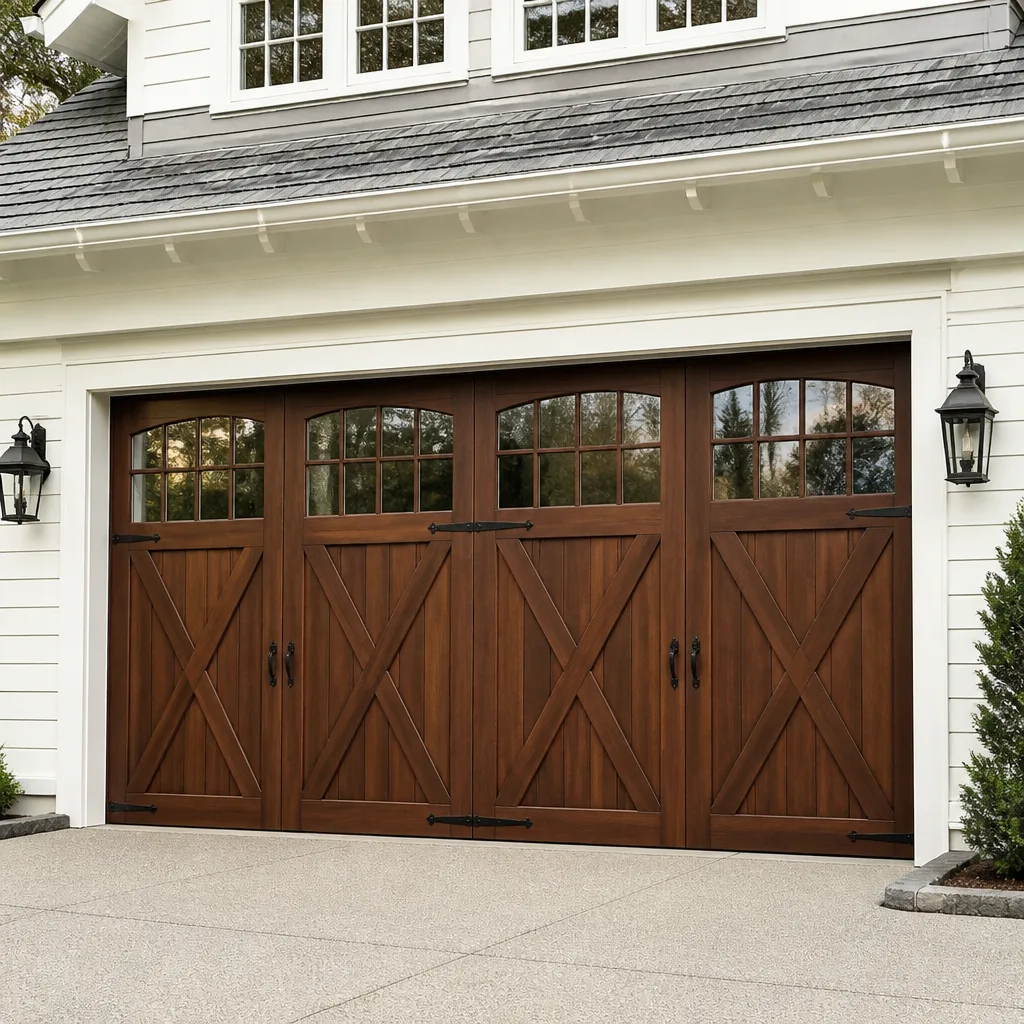 Carriage house
 Modern flush
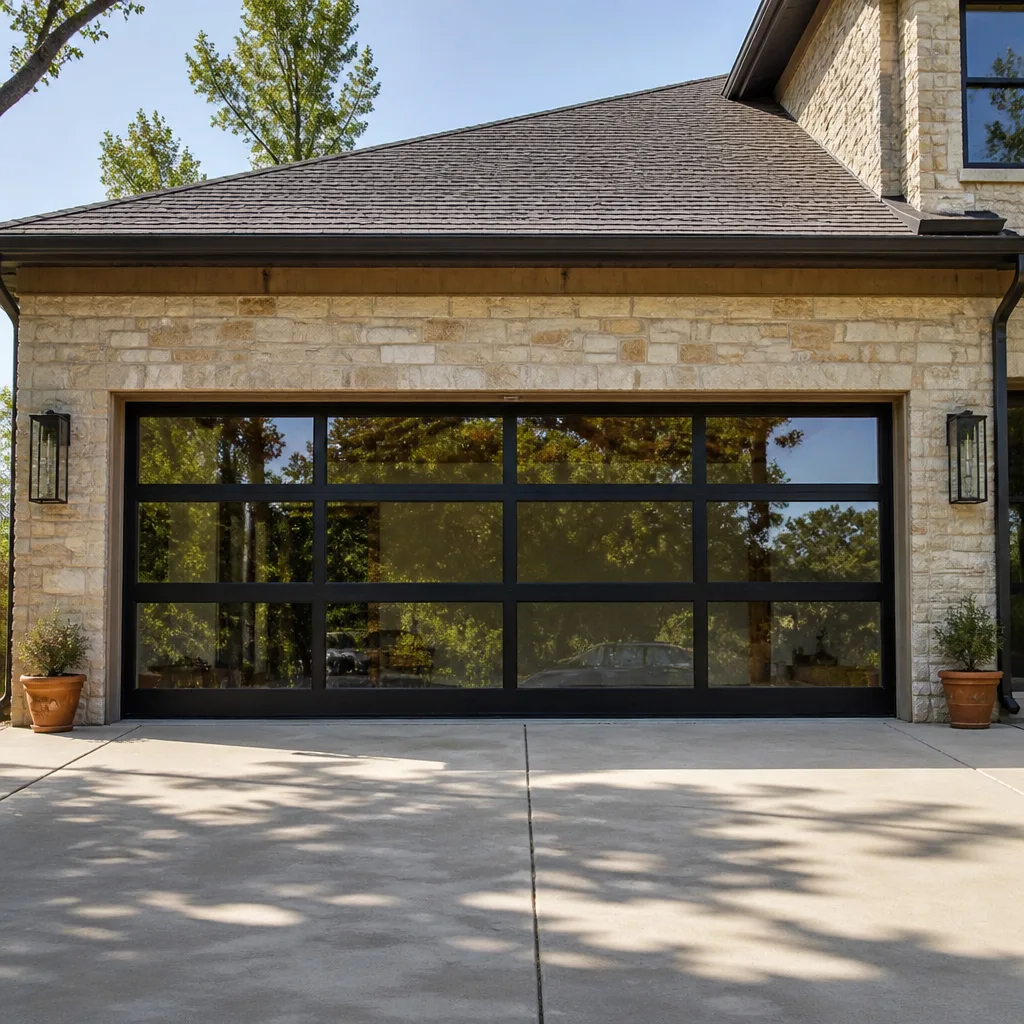 Full-view glass
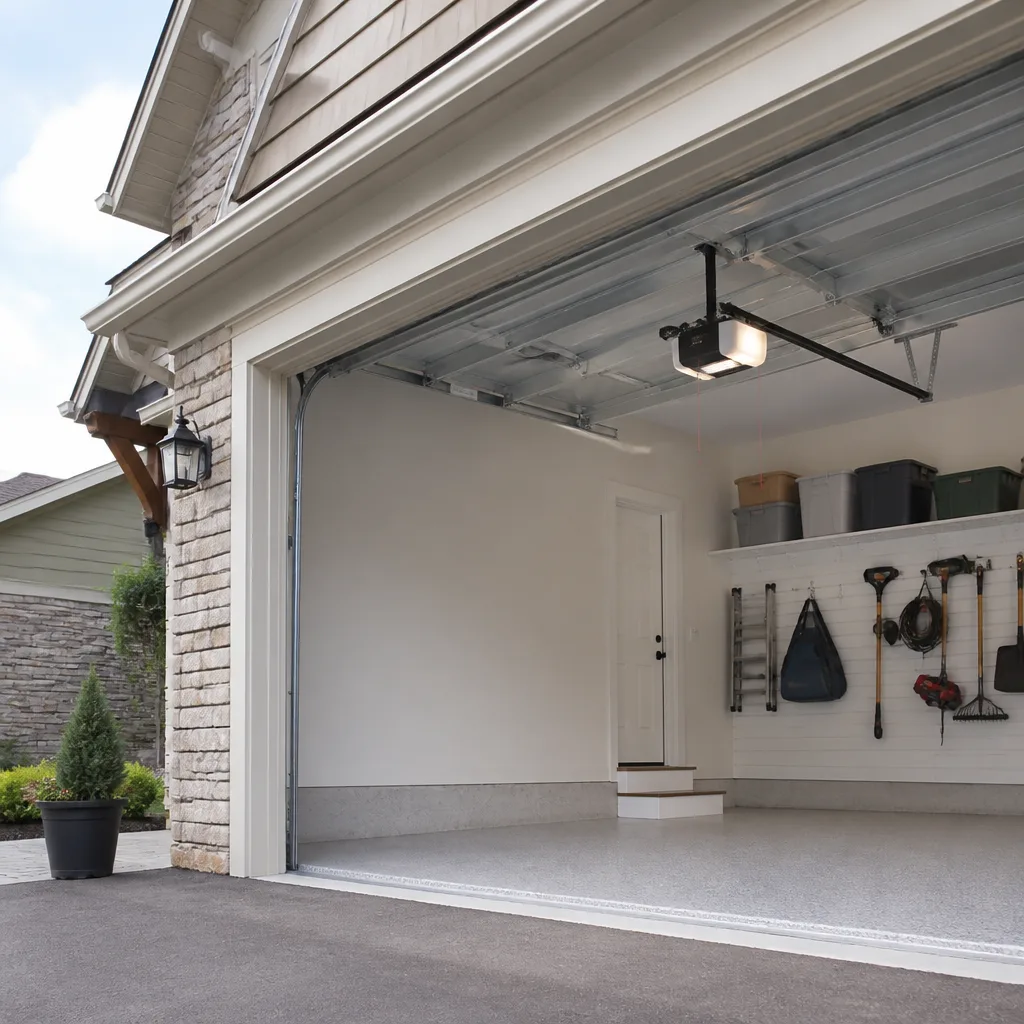 LiftMaster openers
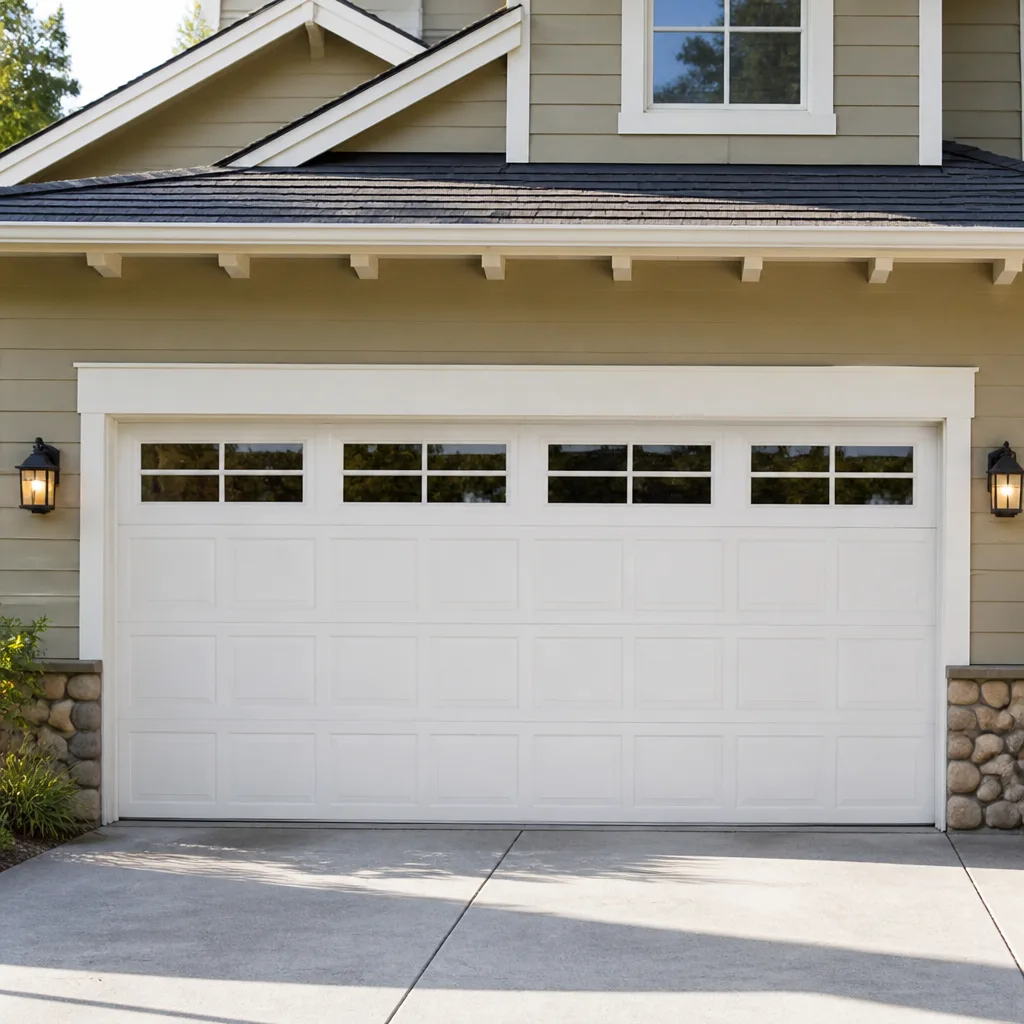 Chamberlain openers
Full 25-point door and opener safety check with every visit - springs, cables, rollers, tracks, and your LiftMaster or Chamberlain opener included
You get a price before we start. It does not change when the pro arrives.
Get your free estimateDIY vs Professional Garage Door: The Reston Homeowner’s Decision Guide
Most garage door advice sorts tasks by difficulty: easy, moderate, call a pro. That’s the wrong axis. The real line runs through physics and warranties, not elbow grease. A torsion spring can hold more than 150 pounds of tension, and releasing that energy the wrong way is one of the most unforgiving tasks in home repair. Meanwhile, a sticky photo-eye or a dry roller chain is genuinely homeowner territory. This guide draws the line task by task for Reston homeowners, so you know exactly what’s safe to touch, what voids a warranty, and when a call makes more sense than a tutorial.
Quick Answer
Lubrication, safety-sensor alignment, remote and keypad programming, and the manual release are safe homeowner tasks. Torsion and extension spring replacement, cable work, and track realignment are not; they involve stored mechanical energy that can injure you badly, and they should go to a trained technician. Opener installation is a middle case: it’s physically manageable but often affects the manufacturer warranty, so check the fine print on your LiftMaster, Chamberlain, or Genie unit before you start.
Styles & brands we work with
- Raised-panel steel
- Carriage house
- Modern flush
- Full-view glass
- LiftMaster openers
- Chamberlain openers
Table of Contents
- Why the DIY question is about risk, not skill
- Homeowner-safe garage door tasks in Reston
- The pro-only list: springs, cables, and tracks
- How DIY affects your opener warranty
- What a DIY mistake actually costs
- Tools you need vs. what tutorials assume
- Reston townhomes, low headroom, and tight garages
- When it’s time to call
Why the DIY question is about risk, not skill
Plenty of capable homeowners in Reston can hang a door, patch drywall, or replace a faucet. Garage doors are a different category because the system stores energy. A torsion spring is wound tight to counterbalance the door’s weight, and that tension stays loaded every hour the door sits closed. When you release it incorrectly, the spring, the winding bars, or the cable can move faster than you can react. That’s not a knock on your competence. It’s the mechanics of a system built to lift hundreds of pounds with one hand.
The other half of the problem is knowledge you can’t see. Springs are matched to door weight and height. Cables need specific tension and correct drum seating. Tracks need to be plumb and level within a small tolerance, or the door binds and the opener works harder than it should. A tutorial can show the motion but can’t measure your door.
So the useful question isn’t “can I do this?” It’s “does this task store energy or change how the system balances?” If yes, it belongs with a technician. If no, it’s fair game. We’ve walked Reston homeowners through both lists for years, and the split holds up whether your door is a builder-grade model or a premium Clopay.
Homeowner-safe garage door tasks in Reston
These are the jobs where a careful homeowner with a stepladder and an hour does real good and carries no serious risk. They also happen to prevent most of the small failures that turn into service calls.
- Lubricate moving parts: rollers, hinges, the torsion bar bearings, and the opener rail. A garage door lubricant, not WD-40, applied a couple of times a year keeps things quiet and reduces wear. In Reston’s humid summers, metal parts appreciate the attention.
- Align safety sensors: if the door reverses or won’t close, the photo-eye is the first suspect. Wipe the lenses, check that both LEDs are solid, and adjust the brackets until they line up. This is the single most common fix we hear about, and it takes minutes.
- Test the auto-reverse: put a piece of wood flat on the floor in the door’s path and confirm the door reverses on contact. Do it monthly. It’s the one safety check every household should run.
- Program remotes and keypads: adding a new remote or changing a keypad code is a manual-and-ladder job, nothing more. LiftMaster, Chamberlain, Genie, and Craftsman all publish straightforward steps.
- Use the manual release: know where the red cord is and how to disengage the door so you can open it by hand during a power outage. Practice it once so you’re not learning in the dark.
- Clear the tracks of debris: wipe grit and cobwebs out of the track channels. Don’t bend or force anything; just clean.
One caution on that last item: cleaning a track is fine, but if the door feels like it’s fighting the track, stop. Binding usually means an alignment or balance problem, and that’s not a cleaning issue.
The pro-only list: springs, cables, and tracks
This is where the hard line sits. These three jobs are safety-critical, and they’re the reason general handymen often decline garage door work altogether. Our garage door spring repair technicians handle them because the tools and training are specific to the task.
- Torsion and extension spring replacement: springs are under extreme tension and must match the door’s weight. Winding them requires proper winding bars and a controlled technique. A slip can cause serious injury, which is why this is the task we most want homeowners to leave alone.
- Cable replacement and tensioning: cables run under load and can snap with force. Correct drum seating and equal tension on both sides keep the door level and safe.
- Track realignment: a bent or out-of-plumb track changes how the whole door travels. It also stresses the opener. This needs measuring and adjustment, not a mallet.
- Panel replacement: possible for a confident DIYer on some models, but panel weight, hinge alignment, and spring balance all interact. A new panel can change the door’s balance enough to need spring adjustment.
- Bottom bracket and roller bracket work: the bottom bracket holds cable tension. Never loosen it yourself.
If your door is stuck, off its tracks, or making a bang followed by silence, that’s an emergency situation. We offer emergency garage door service for exactly these failures, and we work on the brands already on Reston homes rather than pushing a swap.
How DIY affects your opener warranty
Opener installation is the gray zone. Physically, many homeowners can hang a rail and mount a motor. The complication is the warranty. Major manufacturers including LiftMaster, Chamberlain, and Genie typically require installation by a qualified professional for the warranty to remain valid, and they usually specify the mounting and safety requirements the installer must meet. Read your specific manual, because the terms differ by model.
What that means in practice:
- Check before you buy. Read the warranty section of the manual or product page before you order an opener you plan to self-install.
- Keep your receipts. If a warranty claim ever comes up, proof of purchase and installation details matter.
- Safety features are part of the deal. Photo-eyes, the auto-reverse, and the force settings aren’t optional extras. A warranty claim can be refused if those weren’t set up correctly.
- Brand familiarity helps. We service LiftMaster, Chamberlain, Genie, and Craftsman openers routinely, so we know the setup each one expects. For troubleshooting an existing unit, see our garage door opener repair page.
Our honest take: if the opener is a straightforward replacement over an existing motor of the same type, and you’re comfortable with the wiring, DIY can be reasonable. If you’re switching types, adding a battery backup, or adjusting force limits, professional installation is the cheaper path once you factor in a voided warranty.
What a DIY mistake actually costs
The savings of DIY look obvious up front. The costs show up later, and they’re not just the part you broke. Here’s the pattern we see most often in Reston: a homeowner replaces one spring, the door comes out of balance because the springs weren’t matched, and the opener works overtime until something gives. Now you’re paying for springs, possibly a panel, and opener repair on top of the original job.
Common DIY failure paths and what they turn into:
- One spring replaced instead of a matched pair: the door lifts unevenly and stresses the opener and cables. Repairing both springs correctly becomes the next bill.
- Improperly tensioned cable: the door racks and binds, and a panel or the bottom section can be damaged.
- Track forced into alignment: the door travels badly and wears rollers, hinges, and the opener faster.
- Opener force limits set too high: the safety reverse stops working, which is a genuine hazard, and it can void the warranty if something fails.
- Winding a spring without the right bars: at minimum, a ruined spring; at worst, an injury that ends the project entirely.
The professional service cost is predictable. A repair estimate tells you the number before anyone starts. A DIY mistake has no ceiling, and it often arrives at the worst possible time, like the morning you need to get out of the driveway. If the door is already jammed, our garage door repair Reston team can take a look and tell you what’s actually wrong.
One more angle: replacement versus repair. A misaligned spring or a damaged panel sometimes pushes a door past the point where repair makes sense. When that happens, a quote for a new door from Clopay, Amarr, Wayne Dalton, or Raynor gives you a real comparison instead of a guess.
Tools you need vs. what tutorials assume
This is where most DIY plans stall. A video makes spring winding look like a five-minute job because the presenter has tools you don’t. Here’s the honest split for a Reston homeowner considering garage door work.
What’s genuinely useful to have:
- A stepladder tall enough to reach the opener and the torsion bar
- A socket set and screwdrivers for brackets, hinges, and opener mounting
- Garage door lubricant (not general-purpose spray)
- A level for checking the track
- Work gloves and safety glasses
What tutorials assume but you likely don’t own:
- Winding bars sized for your torsion spring. These are not a standard hardware store item, and they must match the spring’s diameter.
- A cable puller or the technique to seat cables on the drums correctly.
- A spring gauge or the door-weight math to pick the right spring. Springs are specified by wire size, inside diameter, and length, and guessing is how doors end up unbalanced.
- Replacement drums and bearing plates in case the existing ones are worn.
If your toolbox stops at the second list, that’s a signal, not a failure. It means the task belongs with someone who carries the right equipment and does it often.
Reston townhomes, low headroom, and tight garages
Reston’s housing stock makes the DIY question a bit sharper than it is in a neighborhood of detached houses with deep, high-ceiling garages. Townhome garages here are typically tighter, with less headroom above the door and less clearance around the tracks. That changes the work in a few concrete ways.
- Spring access is harder. A low ceiling means less room to position a ladder and swing winding bars safely. Even trained technicians work more carefully in these spaces.
- Low-clearance kits are sometimes needed. If the ceiling is close to the door, the opener may need a low-clearance or wall-mount setup. Installing one is a different job from a standard rail mount, with its own measurements and mounting requirements.
- Storage crowds the door path. Reston homeowners often use garage space for bikes and boxes. A door that’s slightly out of balance or a track that’s slightly off will catch on something that shouldn’t be in the way.
- Shared walls and tight lots. In attached homes, a door that slams or runs rough is a neighbor issue too. Getting the balance and opener force right matters more than it does in a detached garage.
None of that makes DIY impossible. It does mean the margin for error is smaller, and the jobs that are already risky (springs, cables, tracks) get riskier in a tight space. If you’re weighing a full replacement in a Reston townhome, the door measurement and headroom check should come before you pick a model.
When to Call a Professional
Call a professional in these specific situations: the door won’t open or close at all; you hear a loud bang from the spring area; the door is crooked, off its track, or hanging unevenly; a cable is frayed or loose; the opener runs but the door doesn’t move; or the auto-reverse fails its test. Any of those means stored energy or a safety feature is compromised, and it’s not a job for a tutorial. If the door is trapping a car or leaving the house open, we treat it as urgent.
Spring work sits at the top of the list. Broken spring? That’s our specialty, and it’s the job we most want to keep out of DIY hands. Garage Door Repair Reston offers free estimates in Reston. Prices are quoted and agreed before any work starts, so you know the number up front. Call (866) 972-4956.
See the difference
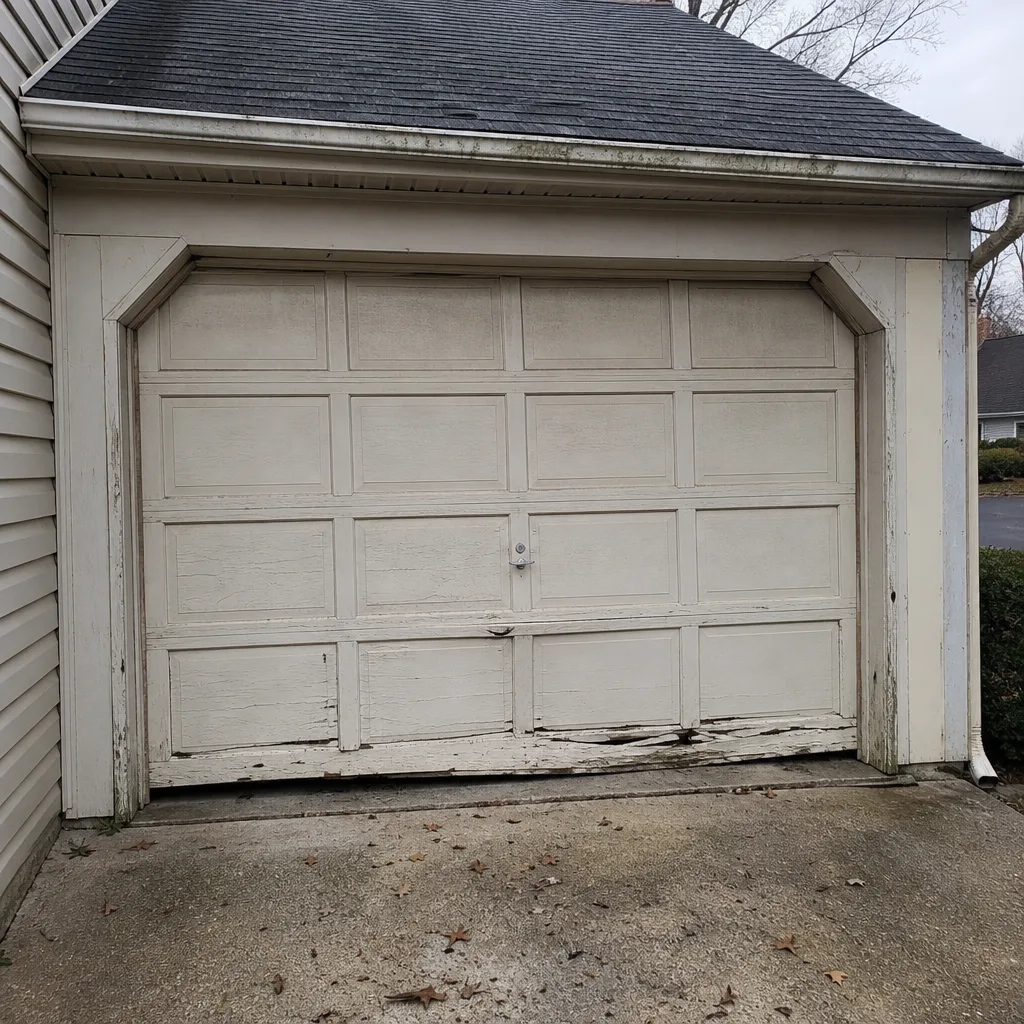 Before
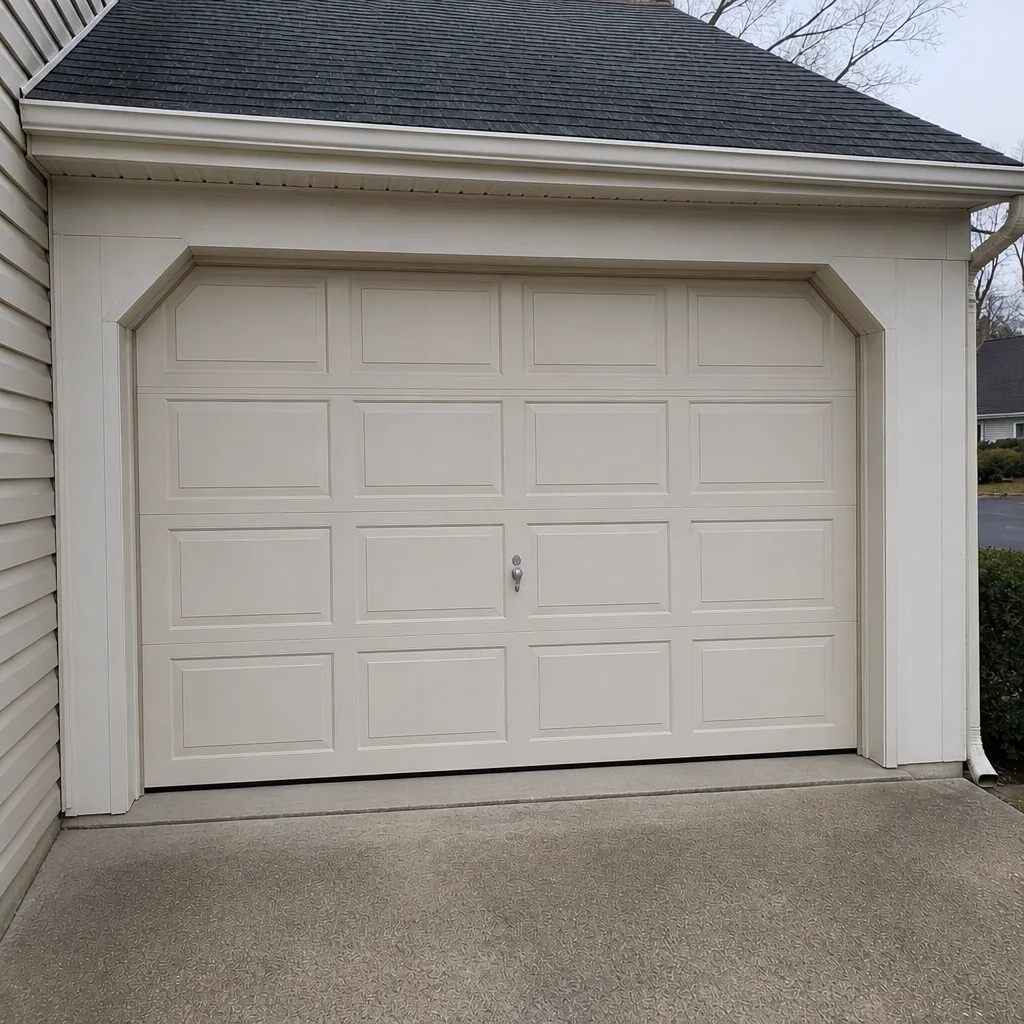 After
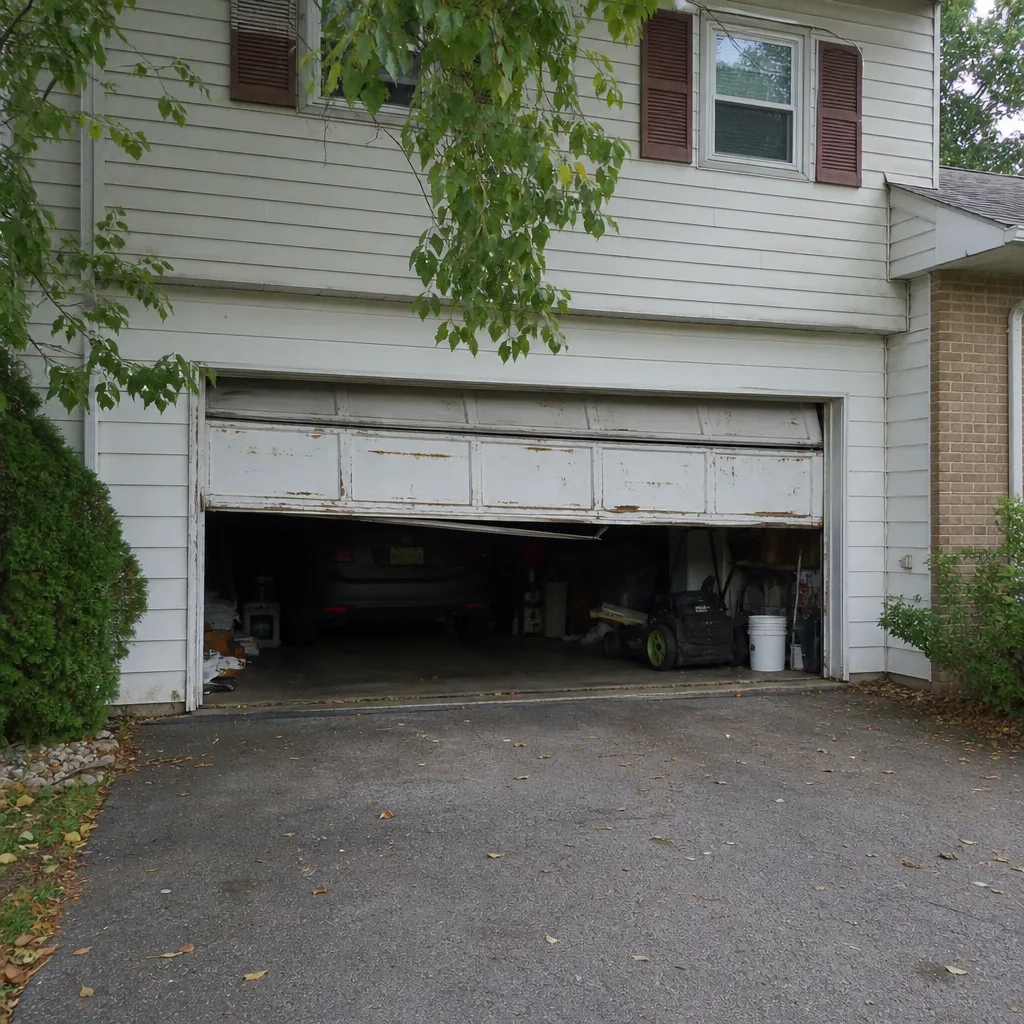 Before
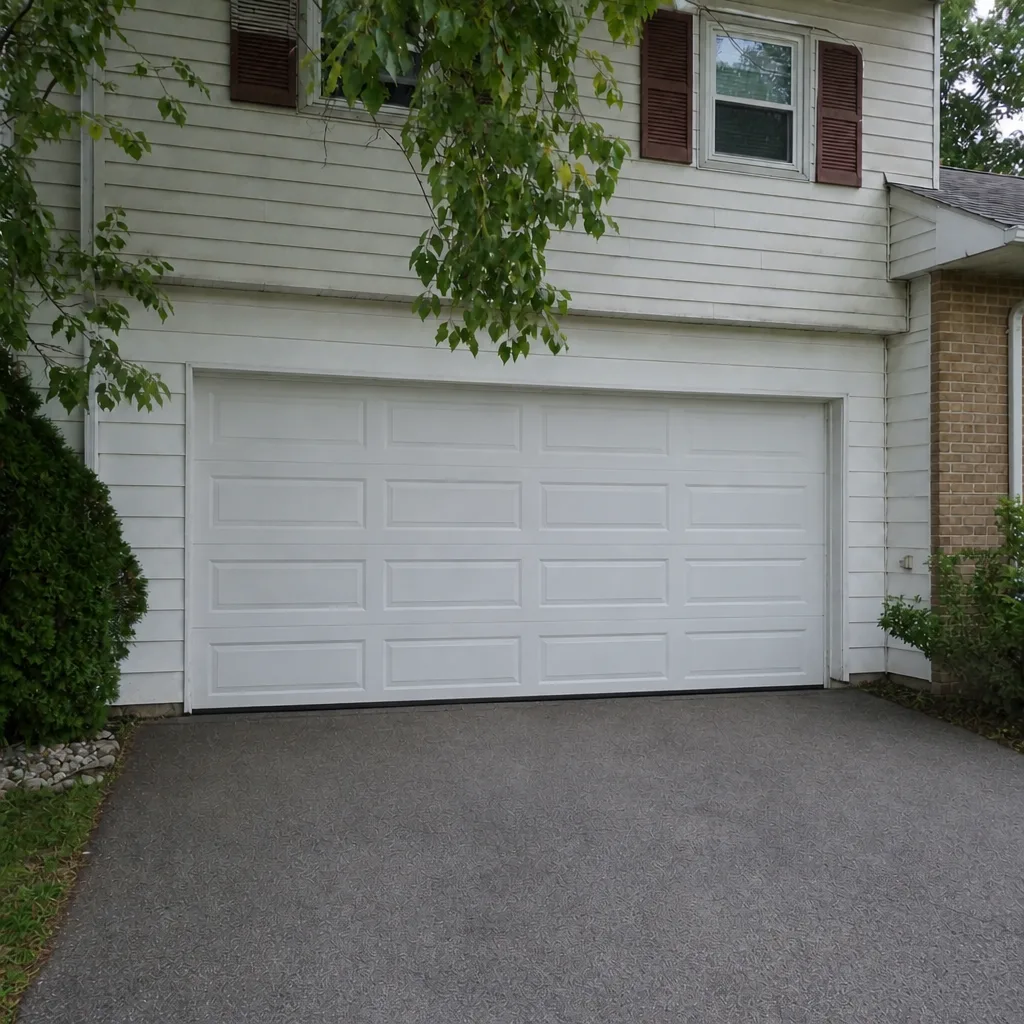 After
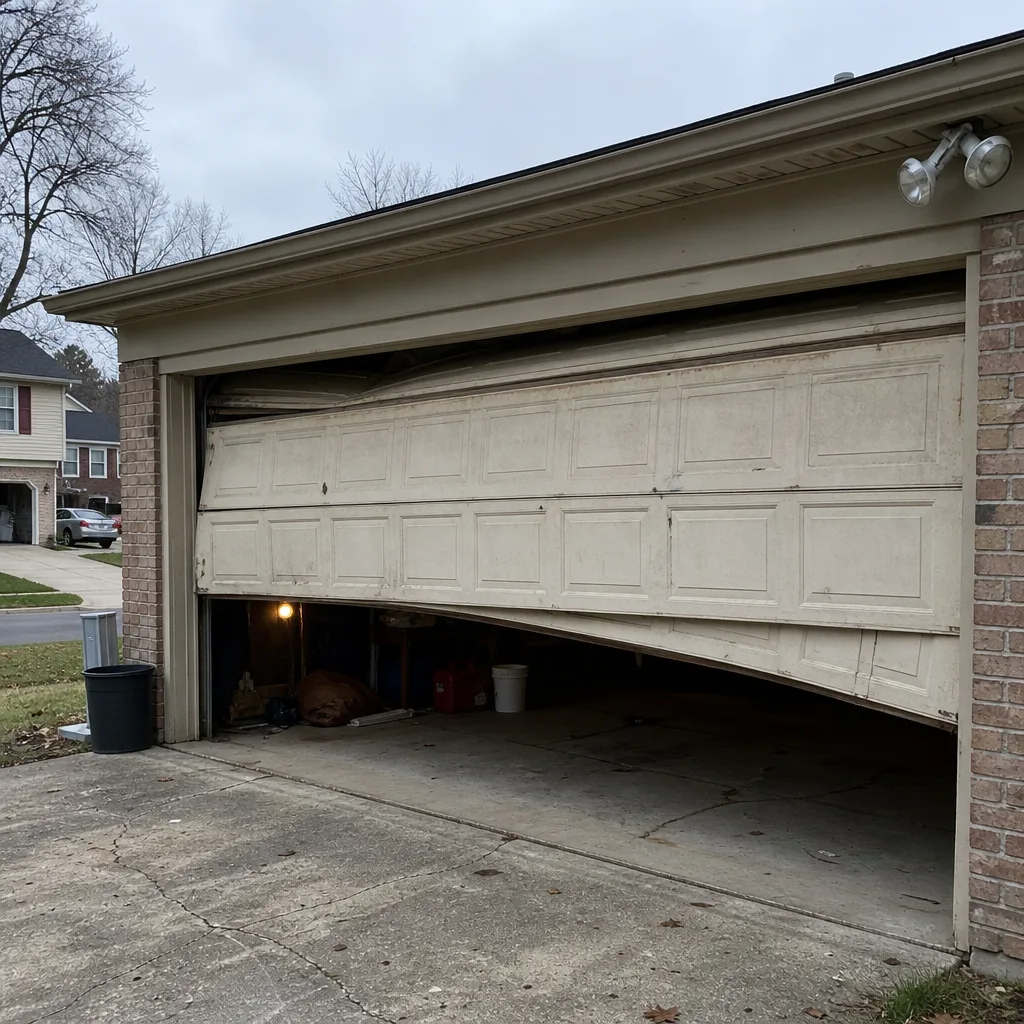 Before
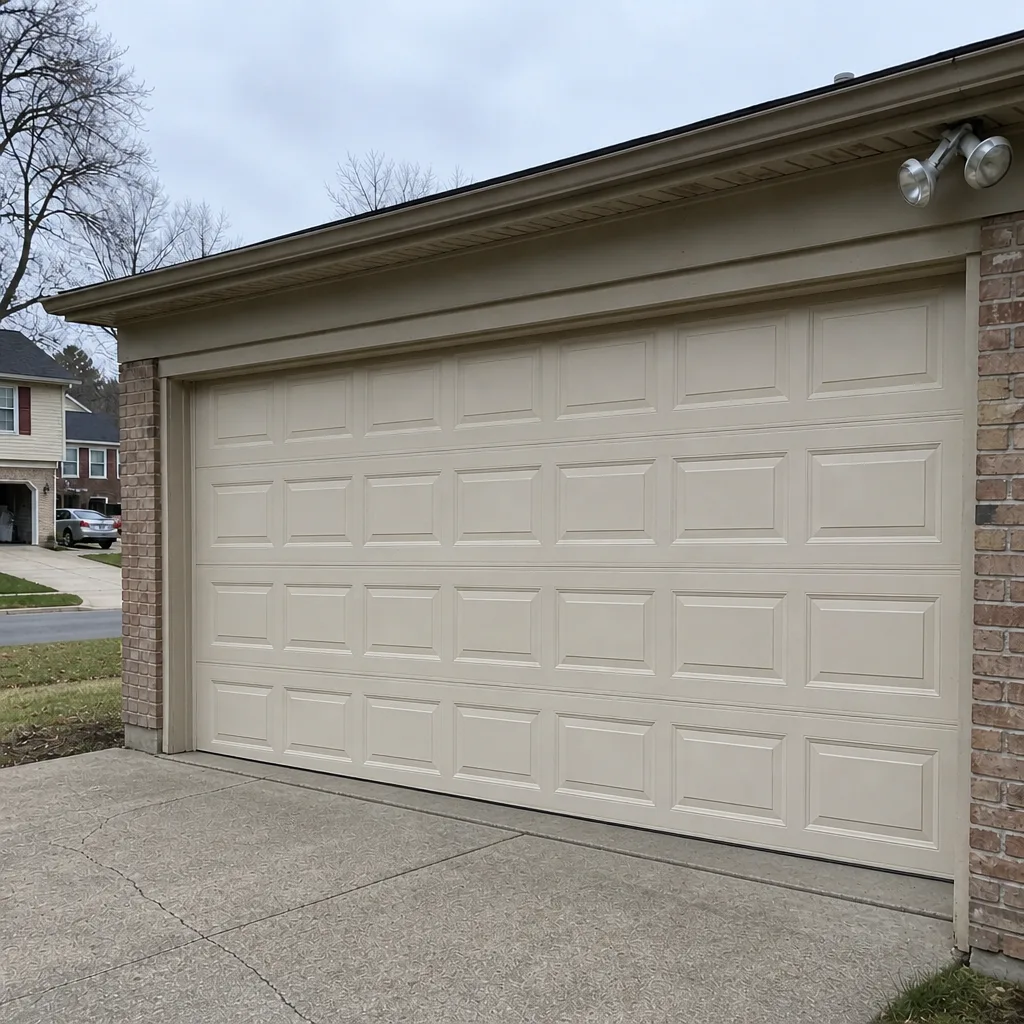 After
Frequently Asked Questions
We don’t recommend it. Torsion and extension springs store enough energy to cause serious injury, and they must be matched to your door’s weight and height. Without the correct winding bars and the right spring spec, you’re improvising with a loaded system. Call (866) 972-4956 for a free estimate instead.
It often can. Many major opener warranties, including LiftMaster and Chamberlain models, require installation by a qualified professional to stay valid. Check the warranty section of your specific manual before you buy, and if it’s unclear, call us for an exact answer.
Lubrication, safety-sensor alignment, remote and keypad programming, monthly auto-reverse testing, and clearing debris from the tracks are all reasonable homeowner tasks. If a task involves springs, cables, or moving the track, leave it to a technician. Call (866) 972-4956 if you’re unsure which list a job belongs on.
Most repairs fall into a predictable range, and you’ll get a written estimate before work starts so there are no surprises. Spring, opener, and track work are priced separately because the parts and labor differ. Call (866) 972-4956 for an exact quote. Estimates are free.
We’re closed Saturday and open Sunday through Friday, 7am to 7pm. If your door fails on a Saturday, call and we’ll book you for Sunday.
No, not without your agreement. We quote and agree on the price before any work begins. If we find something additional once we’re on site, we tell you first and you decide. Call (866) 972-4956 to get started.
The Bottom Line
The DIY versus professional question comes down to what a task stores or changes. Lubrication, sensor alignment, and remote programming are yours to handle, and doing them well prevents plenty of service calls. Springs, cables, and tracks carry stored energy and affect the whole system’s balance, so they belong with a trained technician. Opener installation sits in the middle, and the warranty language should decide it for you. In Reston’s tighter townhome garages, the margin for error is smaller, which makes the pro-only list even more worth respecting. One call covers the door and the opener, and the estimate is free.
Ready to stop guessing? Call Garage Door Repair Reston at (866) 972-4956 for a free estimate. We’ll tell you honestly whether your door needs a repair or a replacement, and the price is agreed before we start. Our technicians have up to 15 years of experience with the systems already in Reston homes.
Written by the team at Garage Door Repair Reston.